Get in touch with Blue Membrane Company

Industrial RO Membrane Elements
Industrial RO Membrane Elements:
6 Product Lines, One Manufacturer
Blue Membrane designs and engineers spiral-wound reverse osmosis elements in six product lines – low pressure, brackish water, seawater, fouling-resistant, residential/customized, and OEM cross-reference-compatible – built to drop into the pressure vessels your system already uses.
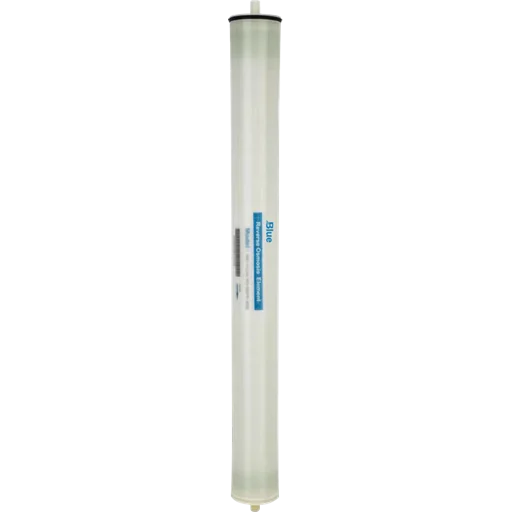
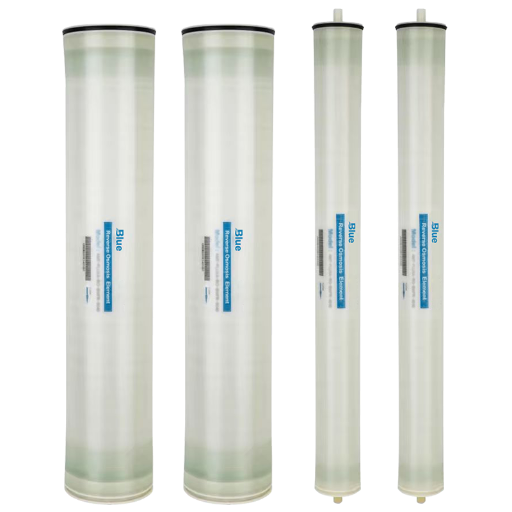
Blue Membrane spiral-wound RO membrane elements, industrial 4040/8040 housing sizes
6
product lines, one manufacturer
99.5–99.8%
stable salt rejection across the range
4040 / 8040
standard industry housing sizes
3
OEM brands cross-referenced (DuPont, Hydranautics, Toray)
±0.5mm
tolerance on customized residential elements
±15%
permeate flow tolerance, all industrial lines
Picking the Wrong RO Element Costs More Than the Element
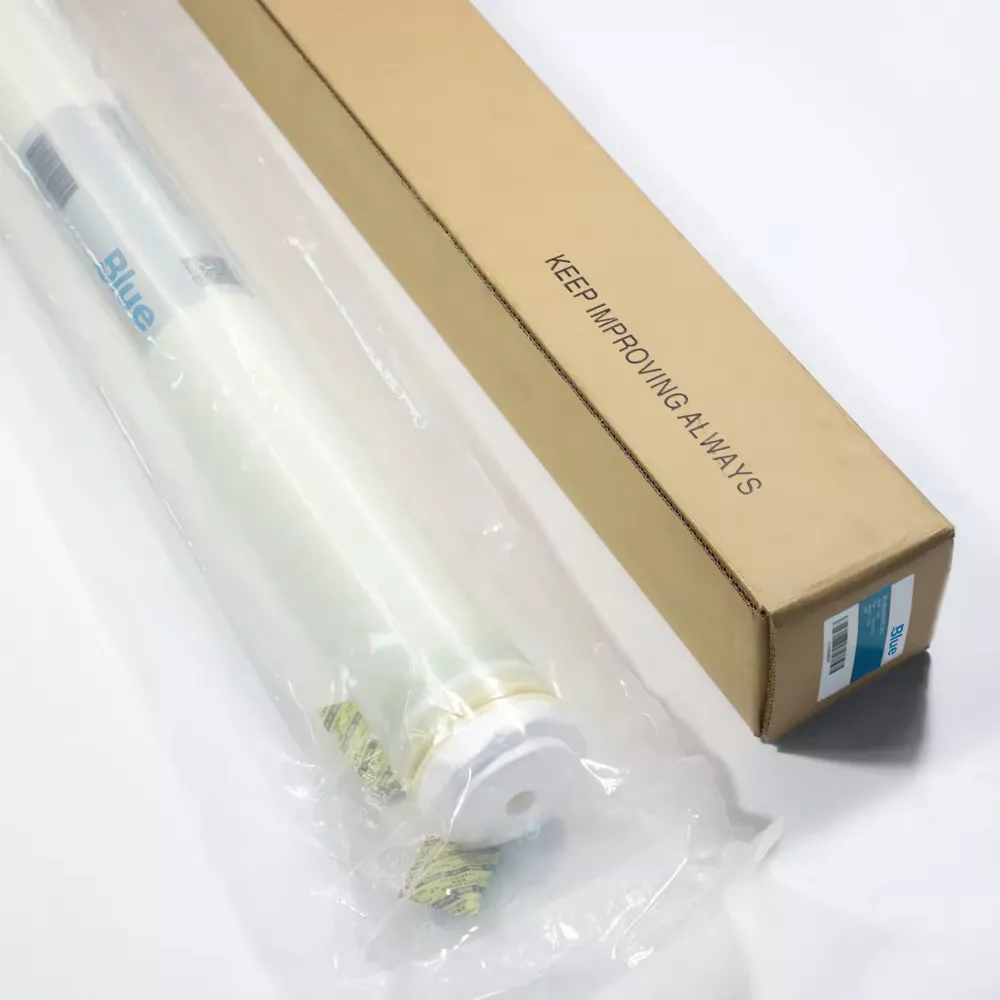
Spiral-wound reverse osmosis elements remove dissolved salts, organics, and contaminants from feedwater by pushing it through a semi-permeable polyamide membrane under pressure, the same filtration principle as every commercial RO membrane on the market – from the home water system to the industrial one. The element doesn’t cost you the price of the membrane sheet; it costs you the price of picking the wrong one for your pressure, recovery target, and feedwater chemistry.
Send a brackish-water element out into seawater pressure, and you’ll kill it fast because the membrane chemistry and feed spacer aren’t designed for that osmotic load – your only solution there’s the right element class, not a bigger pump. Stick a standard element into a highly fouling stream, and your cleaning cycle goes from months to weeks when the same effect would come from a 99.5% rejection number once the element deviates from the test conditions’ pH. Inadequate upstream sediment and particulate control speeds this up further — scale-related fouling remains an active area of membrane R&D industry-wide, including a 2025 silica-scale mitigation patent from Nitto Denko (Hydranautics’ parent company). And when a single OEM is the sole supplier, they get to set the price, dictate lead times, and make production delays your problem, not theirs.
While other single-OEMs operate on the principle of “once the part’s out the door, it’s your problem,” Blue Membrane engineers six element product lines around the opposite principle: low pressure/ULP for energy-sensitive commercial and industrial systems, brackish water for standard high-rejection duty, Seawater for desalination applications, Fouling-Resistant for high-TDS and reuse streams, Residential/Customized for OEM and light-industrial integrators, and a published OEM Cross-Reference Chart that matches our models directly against DuPont (FilmTec), Hydranautics, and Toray element classes. The remainder of this page outlines which product line suits which application, provides side-by-side comparisons with the elements you might be running now, and shows you how to qualify Blue Membrane as a second-source supplier without modifying the rest of your system.
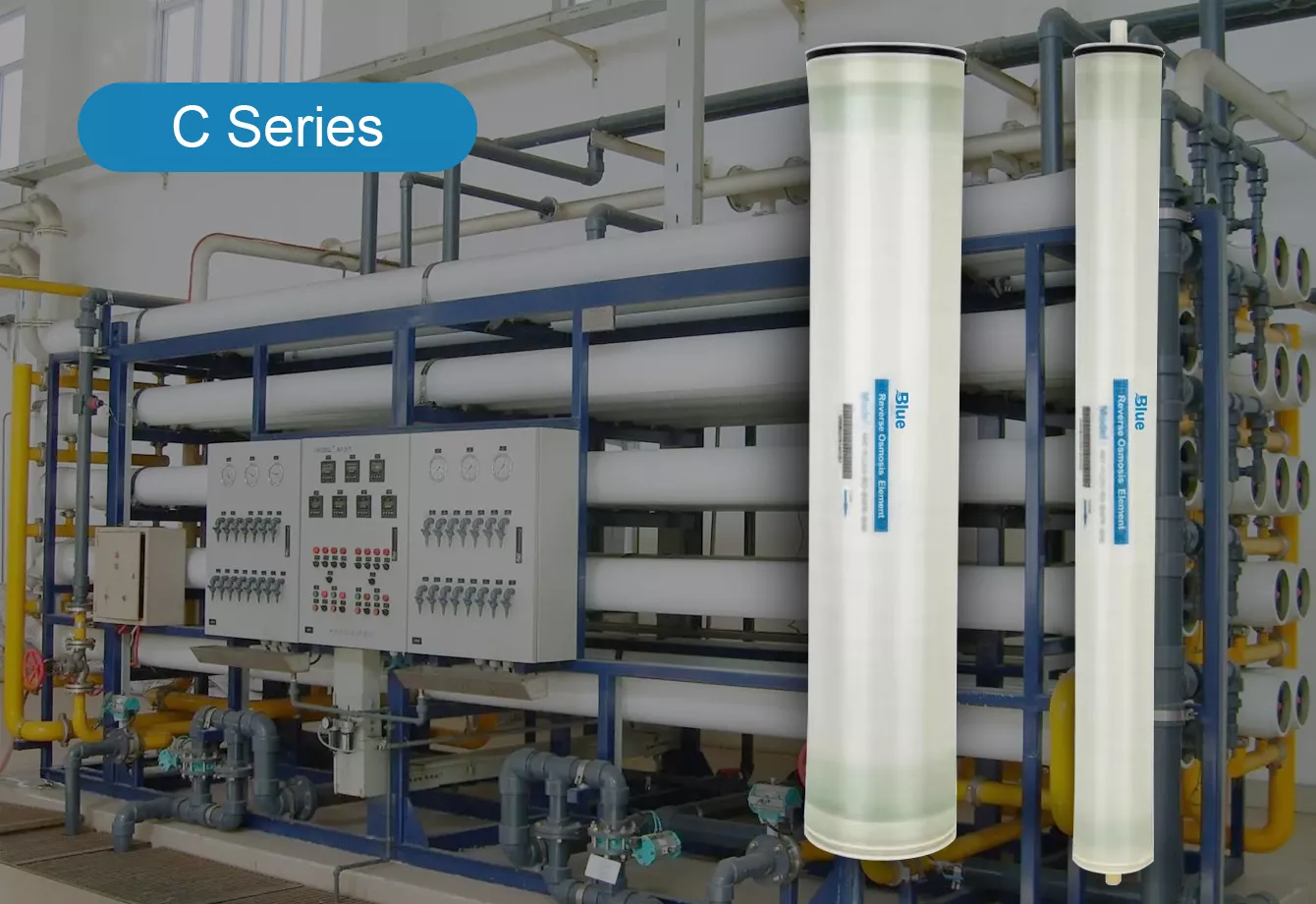
Blue Membrane MB-C1/C2 series Low Pressure / ULP RO membrane element
Low Pressure / ULP RO Elements
MB-C1 (energy-tuned, 150 psi, ultra low pressure) and MB-C2 (high-rejection, 225 psi) series for commercial and industrial pure-water systems where energy consumption and cost-per-gallon are equally critical factors — these low energy elements deliver energy saving, ultra low energy operation without giving up rejection.
See ULP specifications →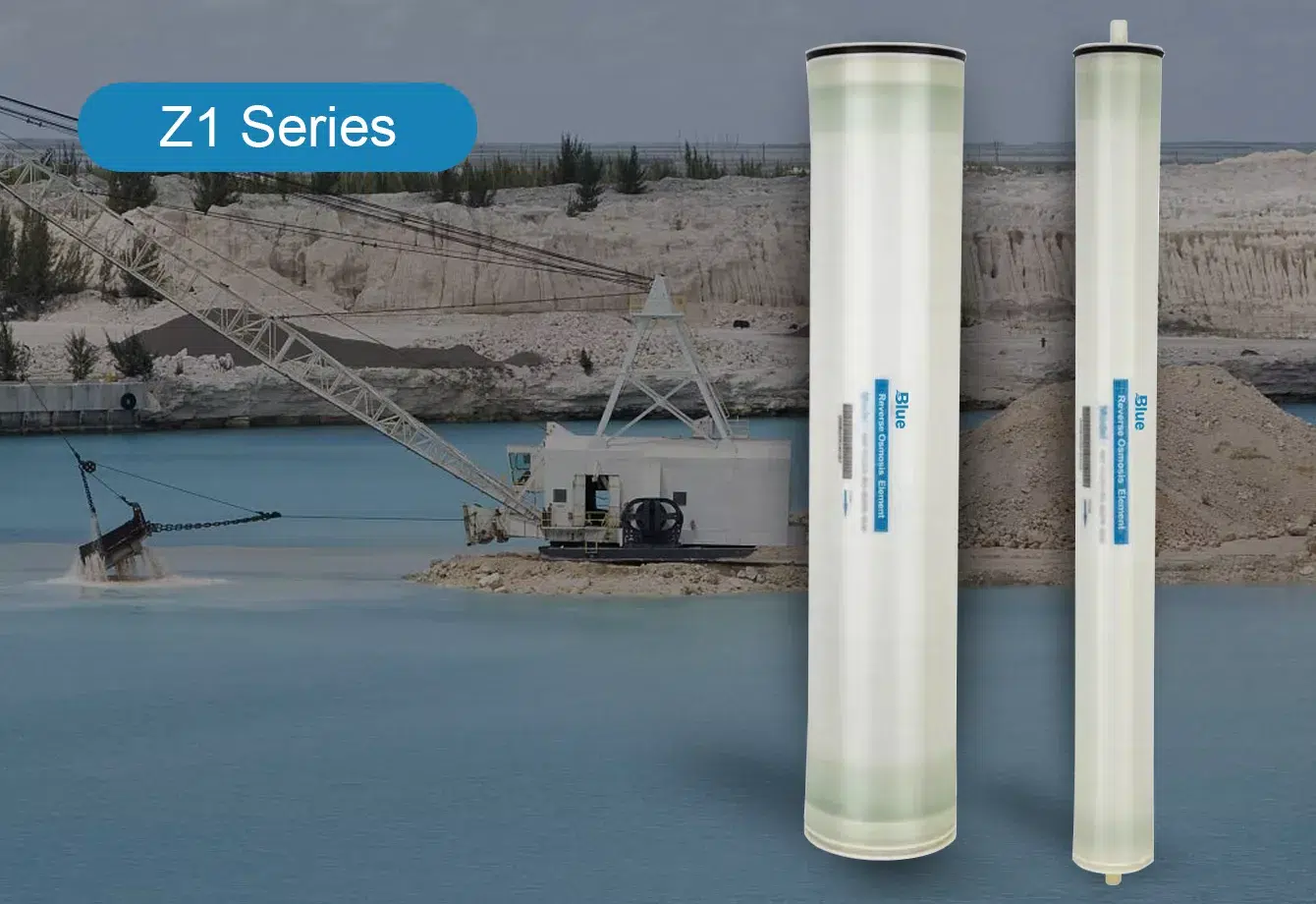
Blue Membrane MB-Z1 series Brackish Water RO membrane element
Brackish Water RO Membrane Elements
MB-Z1 series brackish water membranes for standard treatment across brackish and tap water feed profiles, featuring cross-reference capabilities for DuPont BW30-400/34, Hydranautics CPA3/CPA5-LD, and Toray TM720-400 element classes.
Explore the Brackish Water datasheet →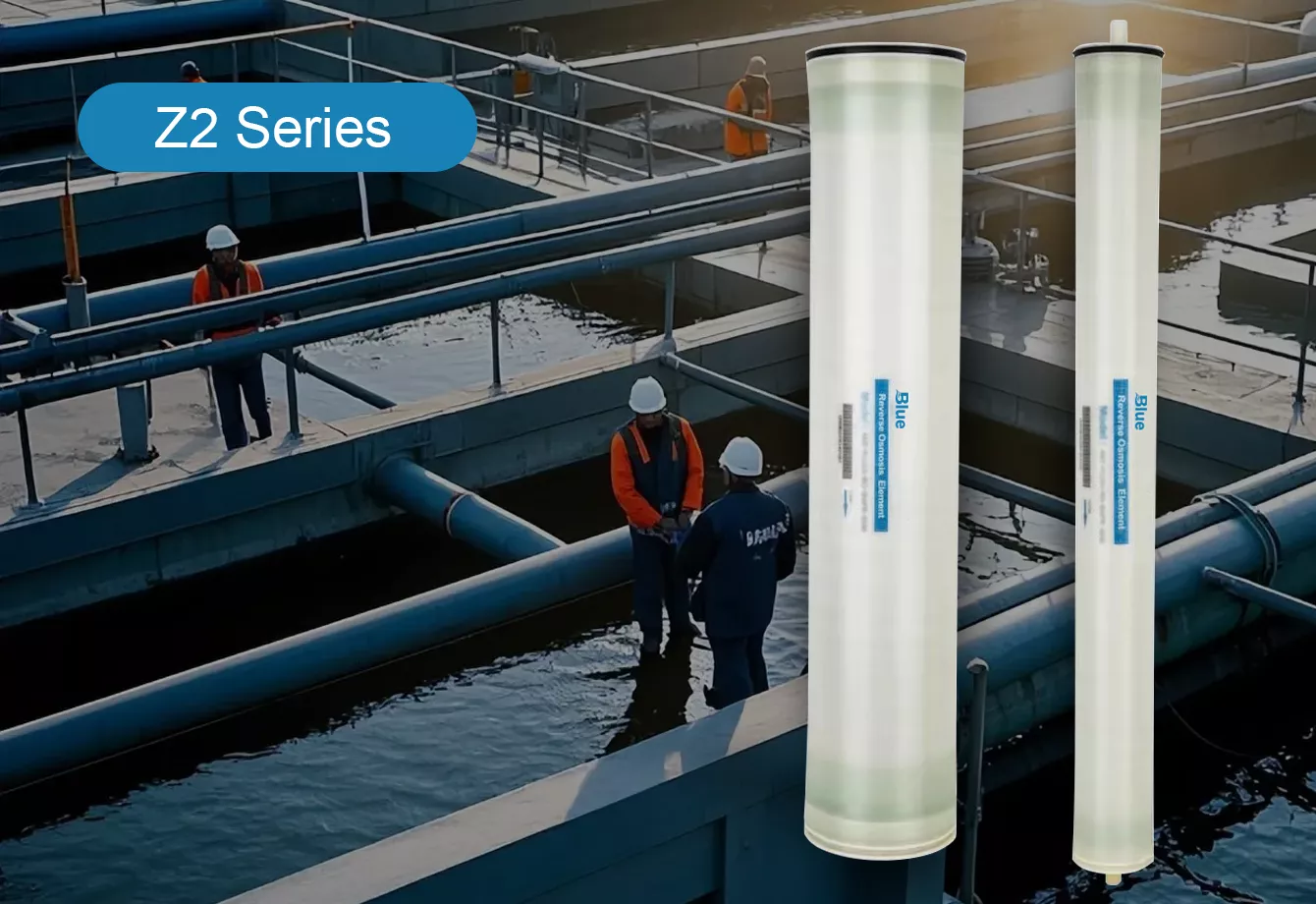
Blue Membrane MB-H1/H2 series Seawater RO membrane element
Seawater RO Membrane Elements
H1 (maximum rejection) and H2 (energy-efficient, offering up to 20% higher permeate flow than H1) desalination membrane series designed specifically for seawater desalination applications, tested under 32,000 ppm NaCl.
See Seawater specifications →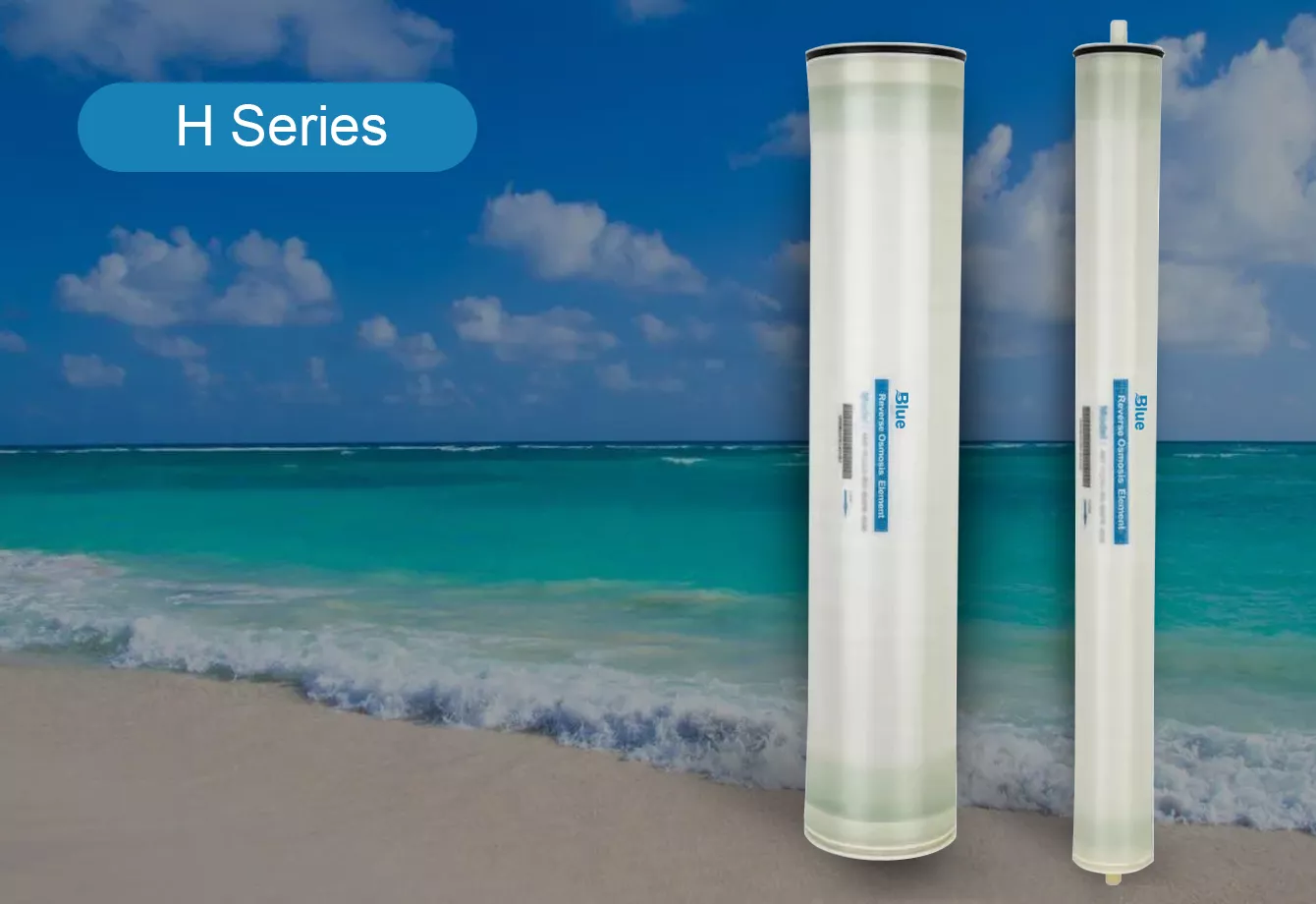
Blue Membrane MB-Z2 series Fouling-Resistant RO membrane element
Fouling-Resistant Elements
MB-Z2 series engineered with an improved hydrophilic polyamide surface and a wider 35-mil feed spacer for use in high-fouling brackish water applications, municipal wastewater treatment reuse systems, and challenging industrial feed streams — built to resist organic matter and biological fouling across a wide total dissolved solids range.
View the Fouling-Resistant spec sheet →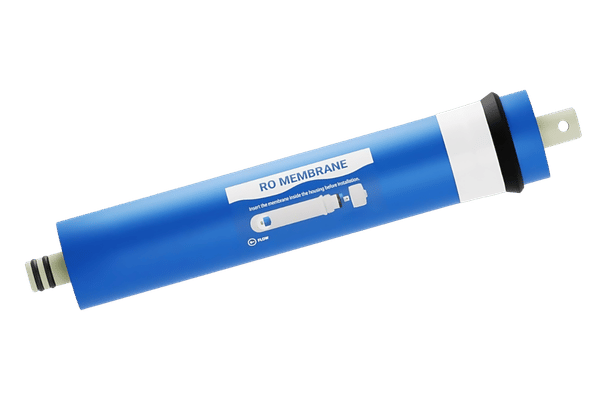
Blue Membrane Residential and Customized RO membrane element
Residential & Customized RO Elements
Customizable options for diameter (35-90mm), length (180-333mm), end cap style, and seal type for residential, whole house, commercial RO membrane, and light-industrial housings – available from initial drawing through mass production.
See Residential/Customized specifications →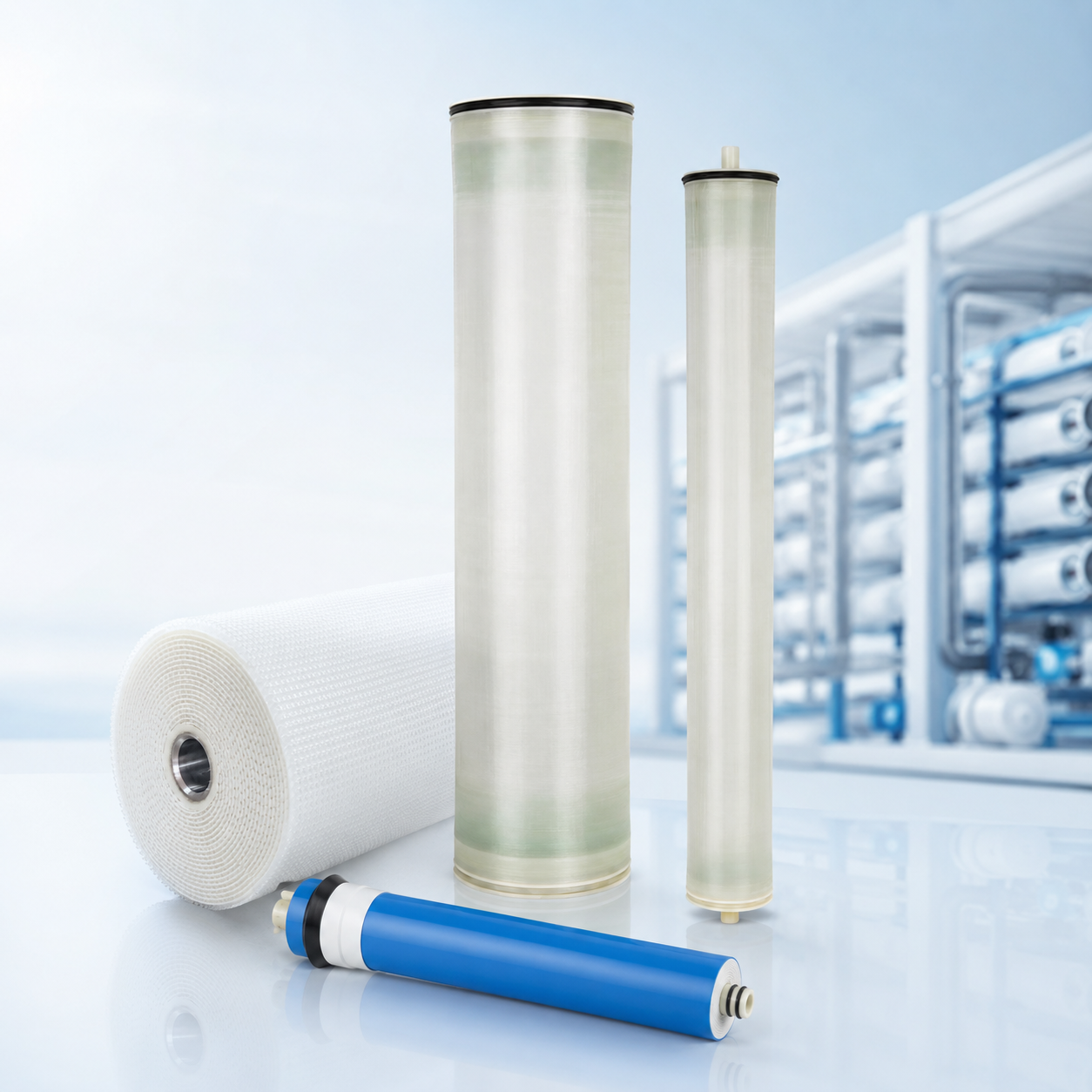
Blue Membrane RO membrane element, OEM cross-reference compatible
Compatibility & Cross-Reference Chart
A published, source-cited cross-reference between Blue Membrane models and DuPont (FilmTec), Hydranautics, and Toray element classes — with an honest disclaimer on what “equivalent” does and doesn’t mean.
Open the full chart →The 4-Signal Feedwater Match Grid
You’ll be far better off selecting by your application line first, before your model number. These are high-capacity, high-tech filtration systems, not one-size RO filtration — your pressure and recovery rate data will be at the per-element level, per the manufacturer’s “standard” test conditions on each data sheet, and the optimum choice always traces back to your actual feedwater and high quality water target.
| Application | Recommended Line | Test Pressure | Recovery (per element) | Feedwater Note |
|---|---|---|---|---|
| Low-energy commercial/industrial pure water | Low Pressure/ULP (C1) | 150 psi | — | Standard feed |
| Higher-flow commercial/industrial pure water | Low Pressure/ULP (C2) | 225 psi | — | Standard feed |
| Standard brackish-water treatment | Brackish Water (Z1) | 225 psi | — | Standard feed |
| High-fouling brackish / municipal reuse | Fouling-Resistant (Z2) | 225 psi (max 600 psi) | 15% | Up to 10,000 ppm TDS, SDI15 ≤ 6 |
| Seawater desalination, max rejection | Seawater (H1) | 800 psi (max 1,200 psi) | 8% | 32,000 ppm NaCl test basis |
| Seawater desalination, energy-efficient | Seawater (H2) | 800 psi (max 1,200 psi) | 8% | 32,000 ppm NaCl test basis |
| Residential / OEM light-industrial, custom size | Residential/Customized | By design | By design | 50–1,600 GPD custom flux range |
| Matching an existing FilmTec/Hydranautics/Toray element | Compatibility Chart | Per matched class | Per matched class | See chart for the closest class match |
Manufacturing Quality Behind Every Element
QUALITY CONTROL STANDARD
This is what closes that gap, right down to the last percent: If a rejection claim of 99.5% can't be linked to its test pressure, it’s marketing-not science. We’ve observed that the procurement teams who analyze RO element manufacturers don’t give ‘trusted partner’ language the time of day-one municipality RFP we’ve encountered actually evaluates a bid’s installation history, after-sale support, and lead times as distinct items, rather than just one ‘reputation’ line item. That’s the standard against which we're striving to build: membranes whose quality you can verify, not just attest to.
Instead of relying on an unsubstantiated certification, every Blue Membrane element is manufactured to a documented test condition, since a rejection number without pressure, chlorine tolerance, and NaCl concentration does not pass muster-it is delivered as part of your datasheet, model number included, not obscured within a quote request.
Our industrial-grade lines (low pressure/ULP, brackish water, Seawater, Fouling-Resistant) conform to ASTM D4194-the industry-wide RO/NF performance standardization method for spiral-wound elements — tested against a documented free-chlorine tolerance of under 0.1 ppm across the range, in line with EPA WaterSense's certification specification for RO systems. You can expect that same level of performance and quality as you would from any reputable industrial RO supplier, without any of the additional markup associated with a single source.
ASTM D4516
RO/NF performance standardization — industrial lines
Documented Test Conditions
Pressure / NaCl / temp / pH on every datasheet
±0.5mm Tolerance
Customized residential/OEM elements
Cited Cross-Reference
Sources disclosed, not just claimed
Third-party certifications are stated only when supported by a current, model-specific certificate and a verifiable public listing.
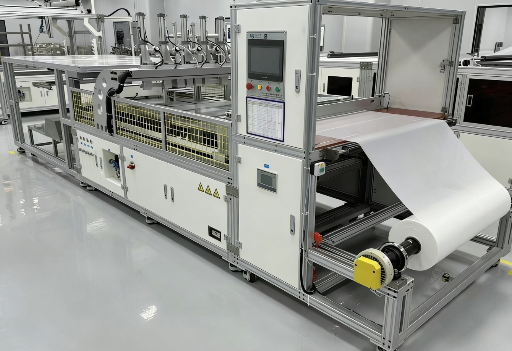
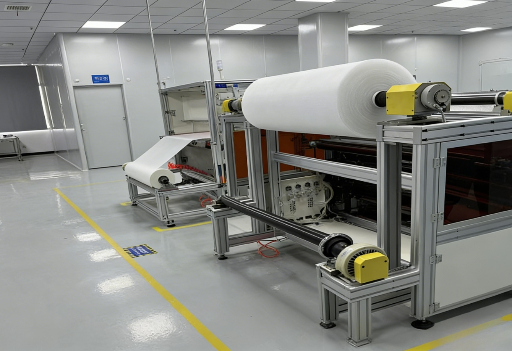
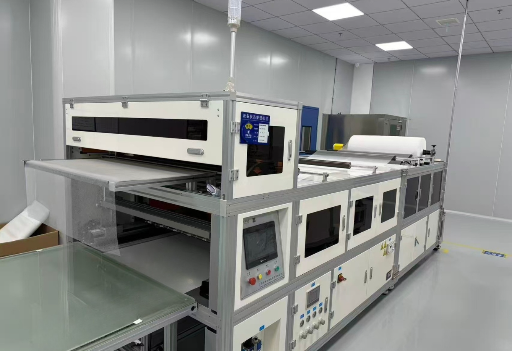
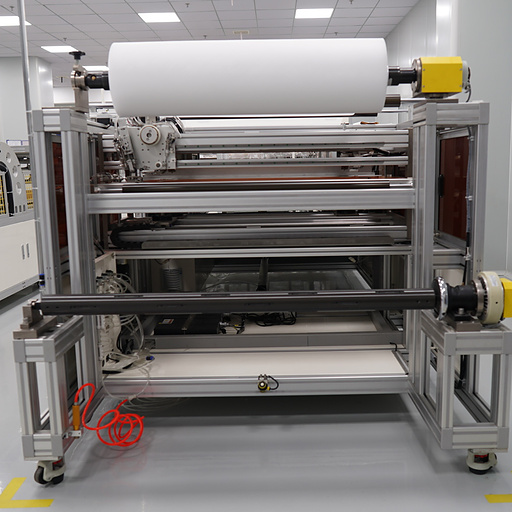
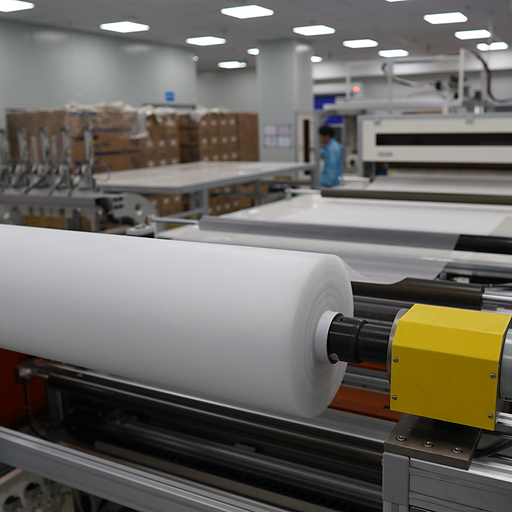
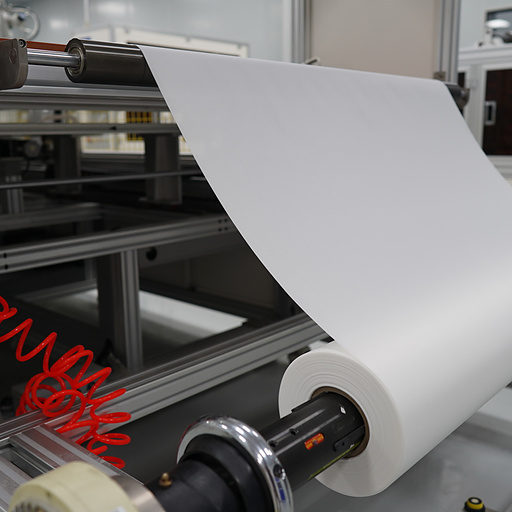
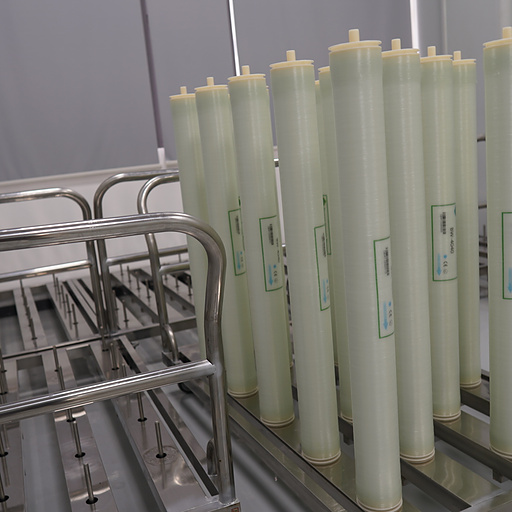
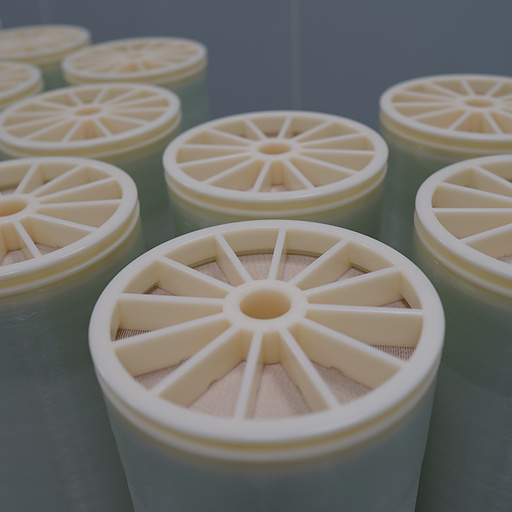
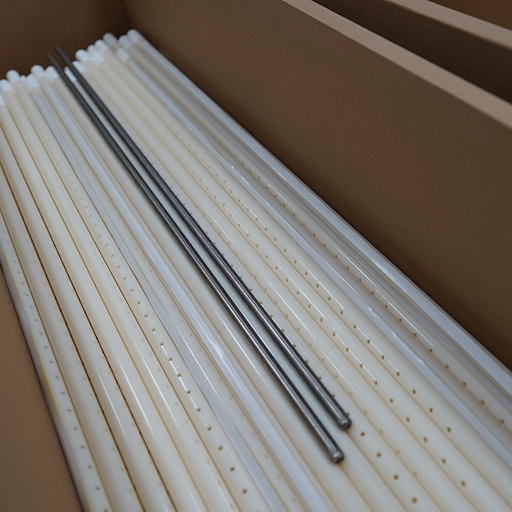
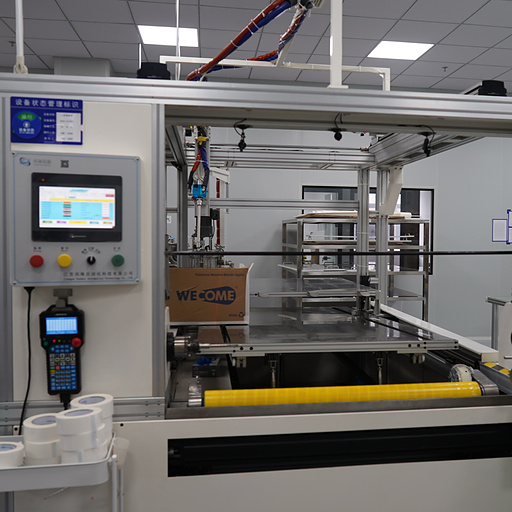
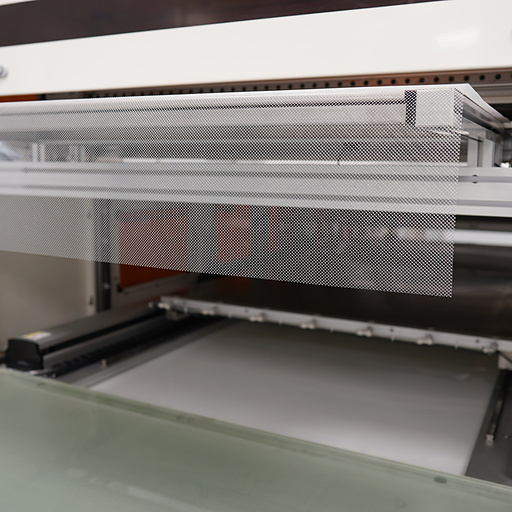
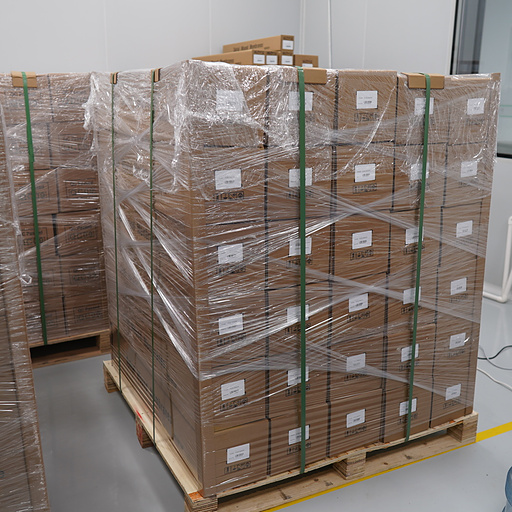
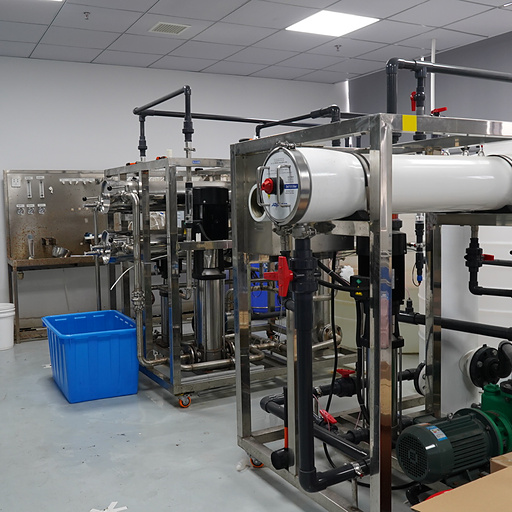
State-of-the-Art Industrial RO Membrane Elements Workshop
CLICK TO ZOOM
CLICK TO ZOOM
CLICK TO ZOOM
CLICK TO ZOOM
CLICK TO ZOOM
CLICK TO ZOOM
CLICK TO ZOOM
CLICK TO ZOOM
CLICK TO ZOOM
CLICK TO ZOOM
×
![Enlarged View]()
FAQ
How do I choose the right industrial RO membrane element for my system?
Don't base selection on current supplier, start with feedwater: The line of separation will vary by whether the feed is brackish water, seawater, or highly fouling water. Your specific application will narrow down the model within that line, but it all starts with the reverse osmosis water quality you need. We design every line to specific pressure and rejection window, anywhere from 150 psi through extremely low pressure ULP options up to 1,200 psi. If your elements can't be sourced in the line you want to run, don't assume the one size fits all model you currently have will still perform the way you expect — check the high rejection rate of NaCl it was actually tested at. Refer to the grid, and confirm that the conditions for that line, matches your feedwater data.
Will a Blue Membrane element fit my existing DuPont or Hydranautics housing?
All of our elements are supplied in a 4040 or 8040 housing, to a specification and class match per our online cross-reference chart. Match by full vessel, not by element class and verify housing and end-cap compatibility before you order.
What is the typical lifespan of an industrial RO membrane element before replacement?
Elements don't have a definite life span and their performance will be based on rate of fouling and cleaning routine, not on time. Advice is divided on this but there's some evidence that the commonly-used "three-year replacement policy" is too aggressive and suggests tracking permeate conductivity in individual vessels rather than replacing on a fixed schedule. Whether you call them replacement membranes, replacement membrane elements, or reverse osmosis membrane replacements, the rule is the same: track performance, don't replace on a calendar.
What are the main factors that affect industrial RO membrane element pricing?
The variables for each: membrane line, rejection class, custom vs. standard size, quantity, housing size, application-engineering services and terms. See the "Pricing Factors" diagram at the top of this page for a detailed breakdown.
Is it safe to replace just one failing element instead of the whole vessel?
Engineering guidance advises against mixing elements from different manufacturers, membrane types, or classes within the same vessel; newer elements can take a disproportionate share of the flow, overloading older elements and accelerating fouling. Replace at the full-vessel level using an approved cross-reference class.
Why should we consider a new manufacturer instead of staying with our current OEM?
Being single-sourced does have a downside: Relying on a single manufacturer’s pricing, lead time, and continuity forces you to make an on-the-fly qualification if you ever actually require a second source. A class-matched, cross-referenced second source isn't necessarily a symptom of an unhappy relationship with your current supplier; it's just common sense in industrial procurement to add this measure of risk reduction.
Does the Residential/Customized line carry NSF/ANSI 58 certification?
NSF/ANSI 58 is the US standard specifically for point-of-use residential RO systems, and EPA WaterSense requires it as the baseline certification for its residential RO label. Confirm current certification status for the specific model and market you need before specifying — we'll provide certificate references on request rather than assert a status here we haven't verified with you directly.
Which types of industrial RO membrane elements does Blue Membrane manufacture?
The full product lineup for Blue Membrane consists of six lines of RO membrane elements plus the OEM Cross-Reference Chart: low pressure/ULP, brackish water, Seawater, Fouling-Resistant, Residential/Customized, and the OEM Cross-Reference Chart that covers all industrial lines against DuPont, Hydranautics and Toray classes. Additionally, Blue Membrane offers custom manufactured nanofiltration (NF) and zero-liquid-discharge (ZLD) elements beyond these six lines.
Trending now