Get in touch with Blue Membrane Company

Industrial NF softening solution
Water Softening Nanofiltration Membrane Elements
Blue Membrane’s water softening nanofiltration membrane elements provide 97-98% divalent ion rejection for industrial softening — without salt, without brine disposal, and without regeneration downtime. Designed for OEMs, plant engineers, and procurement managers who demand factory-proven performance from a direct manufacturer with full control of every production step.
97-98%
divalent ion rejection
No salt
no regeneration brine
75-150 psi
typical softening range
N1 / N2 / N3
series for design trade-offs
+
+
Specifications
- Element Type Spiral-wound N-Series NF element
- Format Size 8040 industrial format
- Feed Spacer 34 mil
- Active Layer PA TFC selective active layer
Solution map
From hardness problem to qualified NF element order.
01
Replace regeneration load
Move away from salt, brine disposal, and recurring ion exchange downtime.
02
Use selective softening
Reject divalent hardness while retaining a balanced permeate chemistry.
03
Select N1 / N2 / N3
Choose rejection, balanced throughput, or maximum flux around project targets.
04
Validate and procure
Confirm feed water fit, sample elements, OEM replacement, and export paperwork.
Why Ion Exchange Water Softening Fails in Industrial Operations
ion exchange technology has been the default water softening for over 50 years. While it works at residential scale, the trade-offs compound to form a Total Cost of Ownership issue for industrial boiler feed water treatment applications, cooling tower makeup, and water treatment process loops that the procurement world can’t ignore.
01
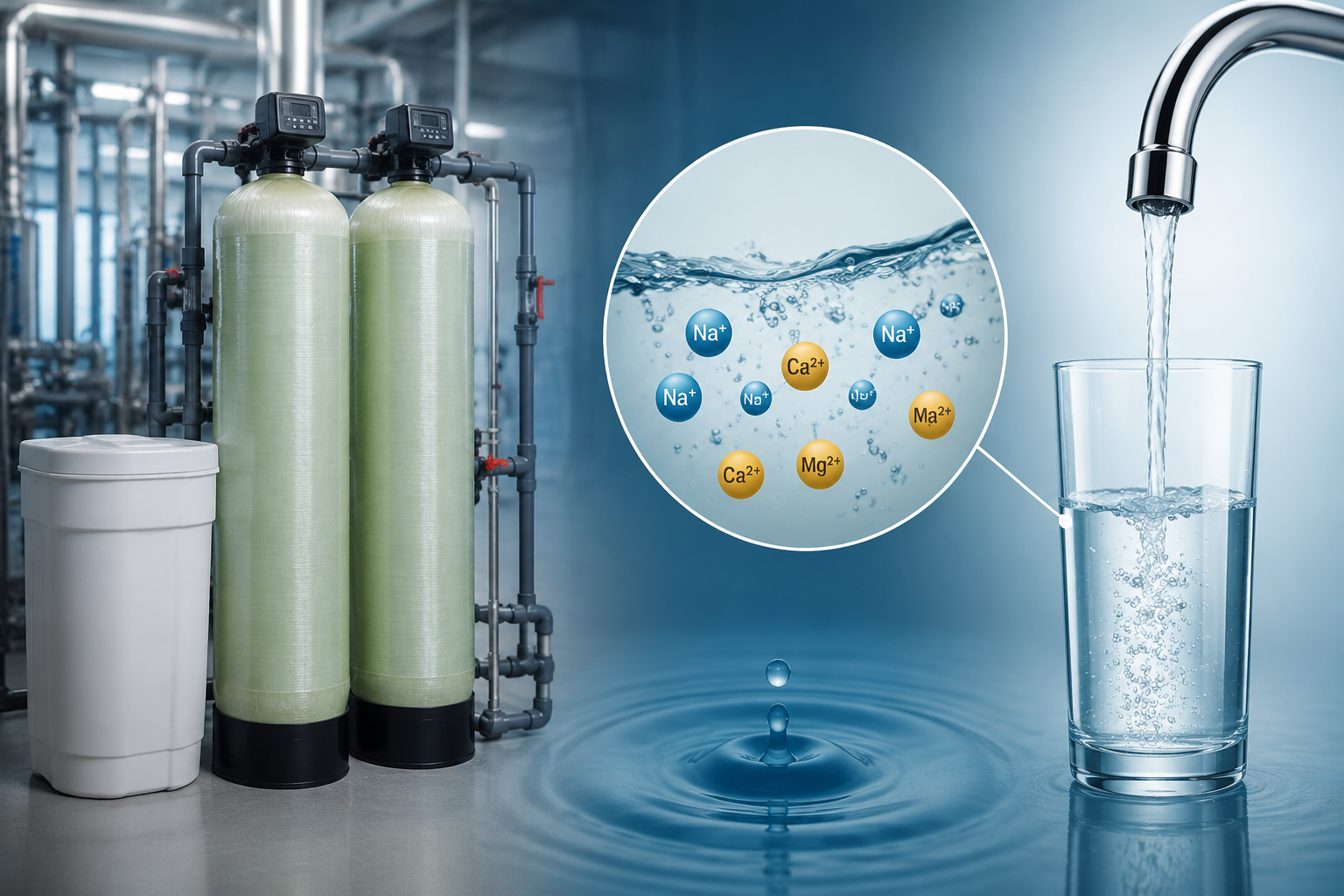
Salt brine disposal load
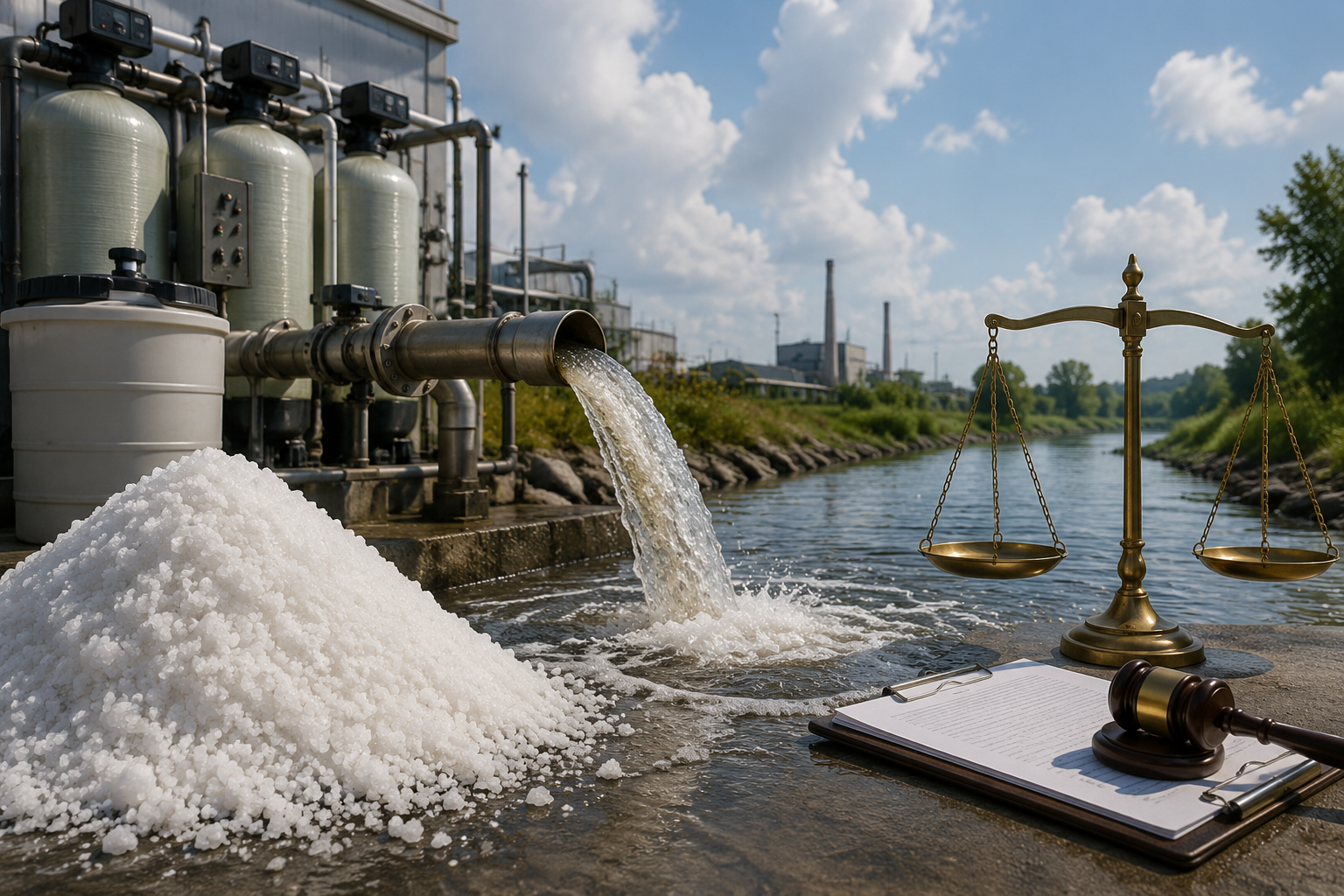
Each regeneration cycle of a typical 500 m/day ion exchange industrial softener uses 0.3–0.5 kg sodium chloride/m³ treated water. This generates 150–250 kg of NaCl discharge to the wastewater stream daily. As of 2026, at least 12 US states have legislative limits on sodium chloride discharged from water softening systems. The cost to comply with these laws is making the Total Cost equation trend rapidly against ion exchange.
02
Sodium addition to product water
A standard ion exchange softener exchanges 2 sodium for each unit of divalent hardness in water with hardness above 300 mg/L CaCO₃. This typically results in a treated water sodium concentration above 200 mg/L, which exceeds the 200 mg/L value the WHO considers acceptable for drinking and process water (WHO Guidelines for Drinking-water Quality, 4th ed., 2022). Food and beverage plants, pharmaceutical grade process water, and boiler feed systems need water that doesn’t introduce a secondary contaminate even while removing hardness.
03
Regeneration cycle downtime
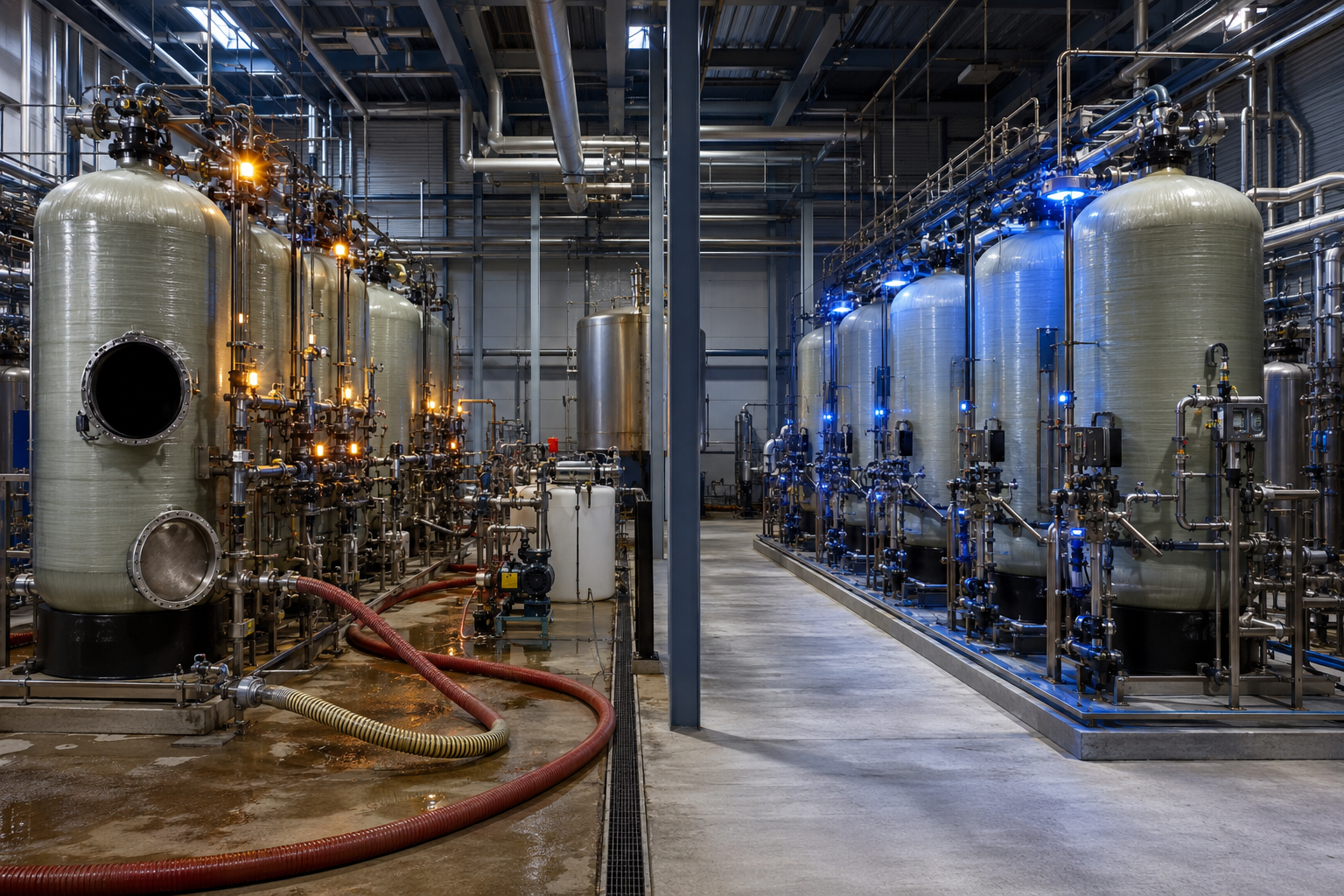
A single train of industrial ion exchange, when run in continuous operation with a typical industrial hardness and flow rate, needs to regenerate its ion exchange resin every 8 to 12 hours. A 2 to 4-hour downtime event, occurring from 14% to 28% of the operating hours. A dual train configuration alleviates downtime, but doubles capital cost and equipment footprint.
How Nanofiltration Achieves Chemical-Free Water Softening
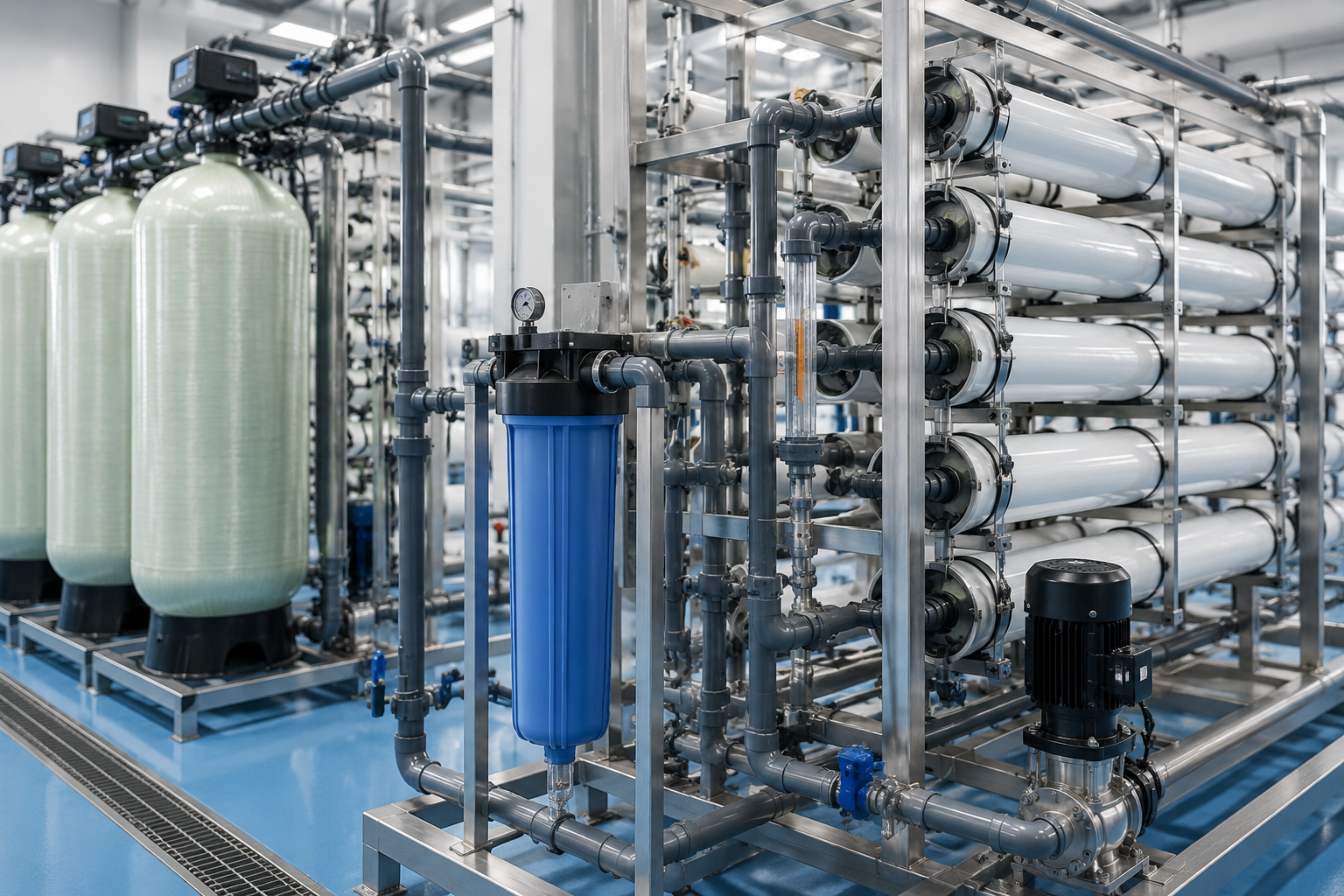
Because hard water scaling and early fouling are concerns for all membrane systems, proper pretreatment is essential for water treatment. Many water treatment engineers believe that nanofiltration membranes foul in hard water even faster than in soft water and thus aren’t suitable for soft water water treatment. Nothing could be further from the truth! NF membranes were designed for systems that treat high water hardness.
SDI < 5
Turbidity < 1 NTU
3–6 Months Service
200-500 mg/L CaCO₃
If properly pretreated (SDI below 5 and turbidity below 1 NTU after the cartridge filter), nanofiltration membrane elements provide 3–6 months of cleaning service on typical groundwater with 200-500 mg/L of hardness as CaCO₃. This isn’t because the membrane “filters” hardness like a sand filter. The membrane selectively removes hardness ions based on their charge density at the molecular level.
The Selective Softening Mechanism
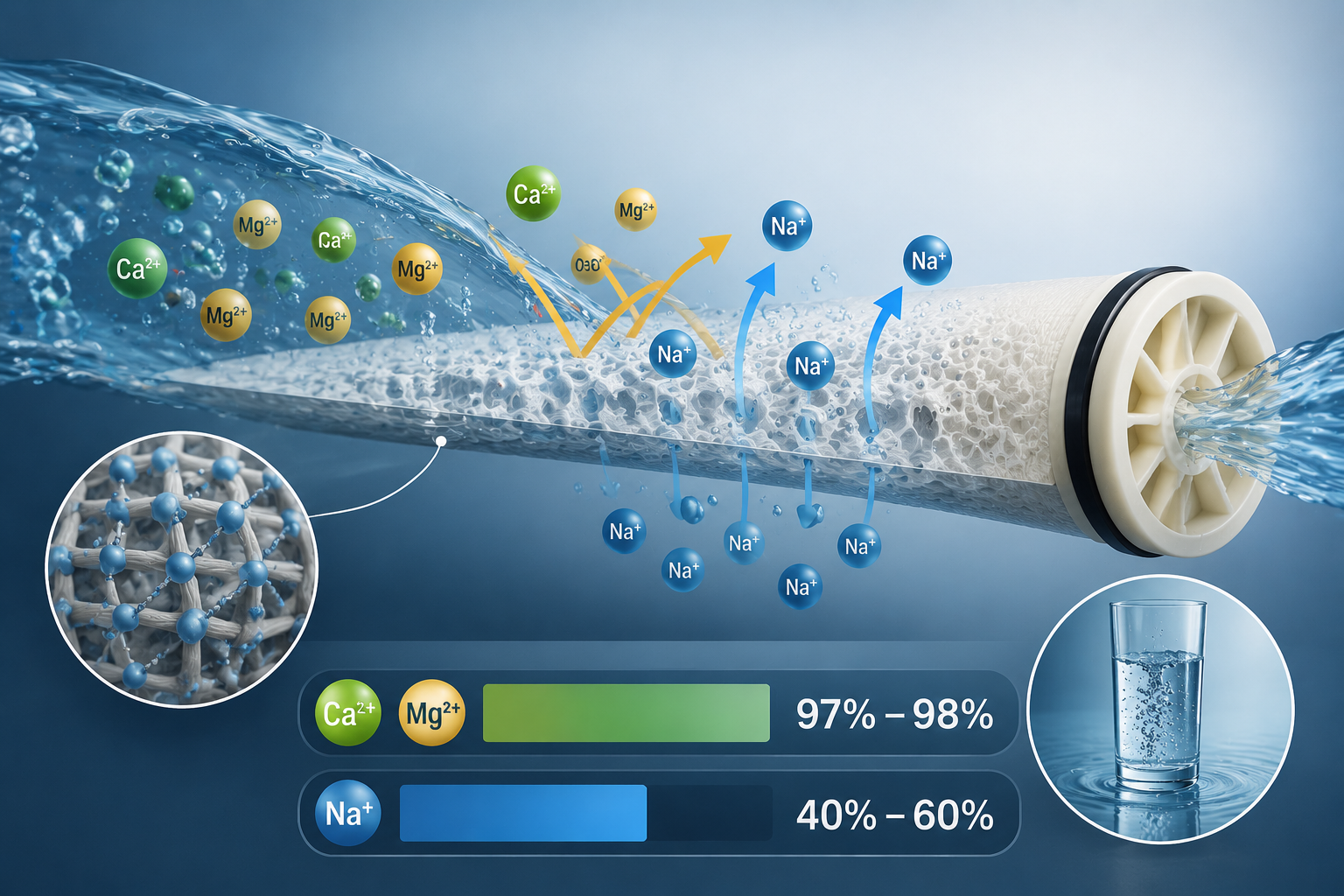
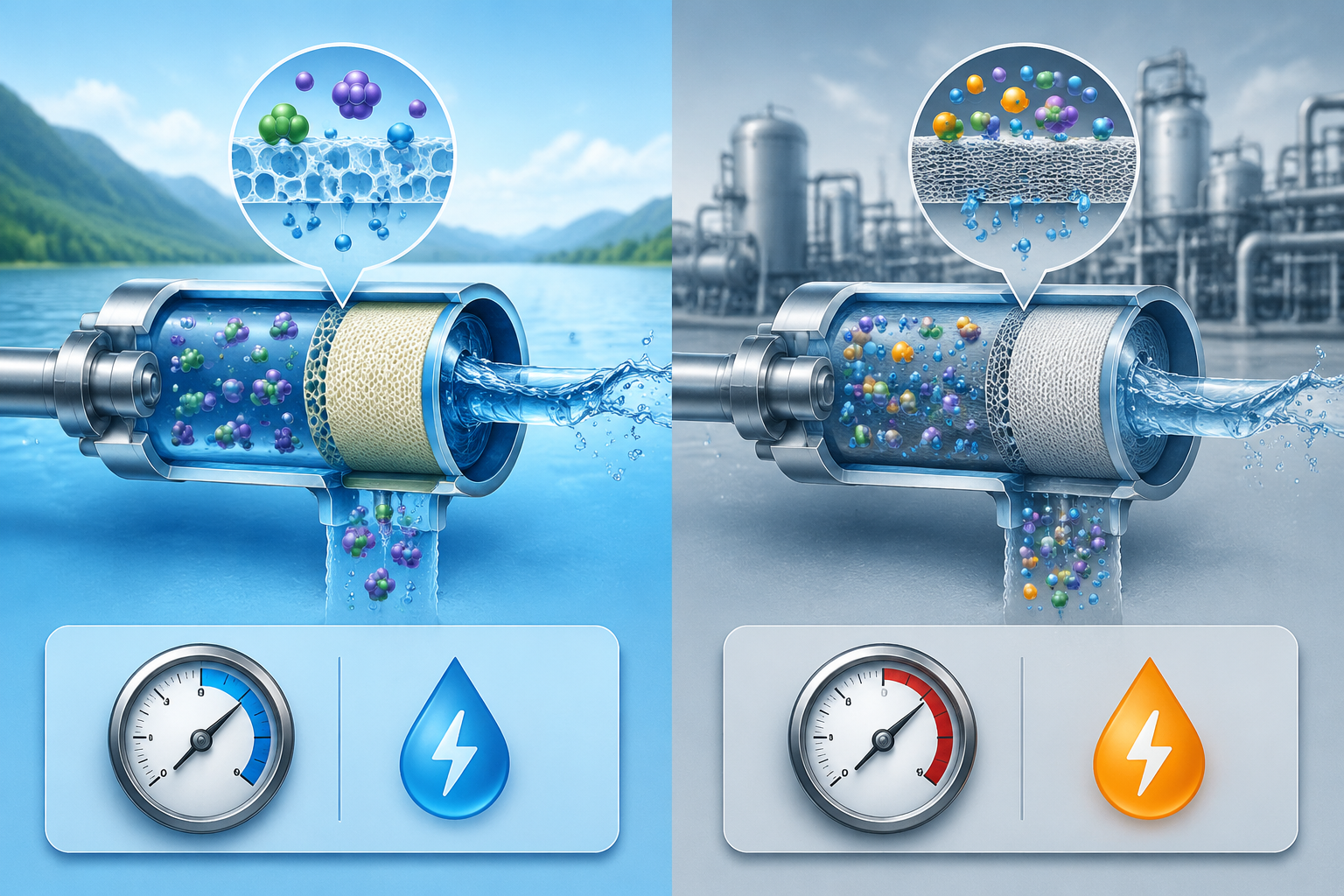
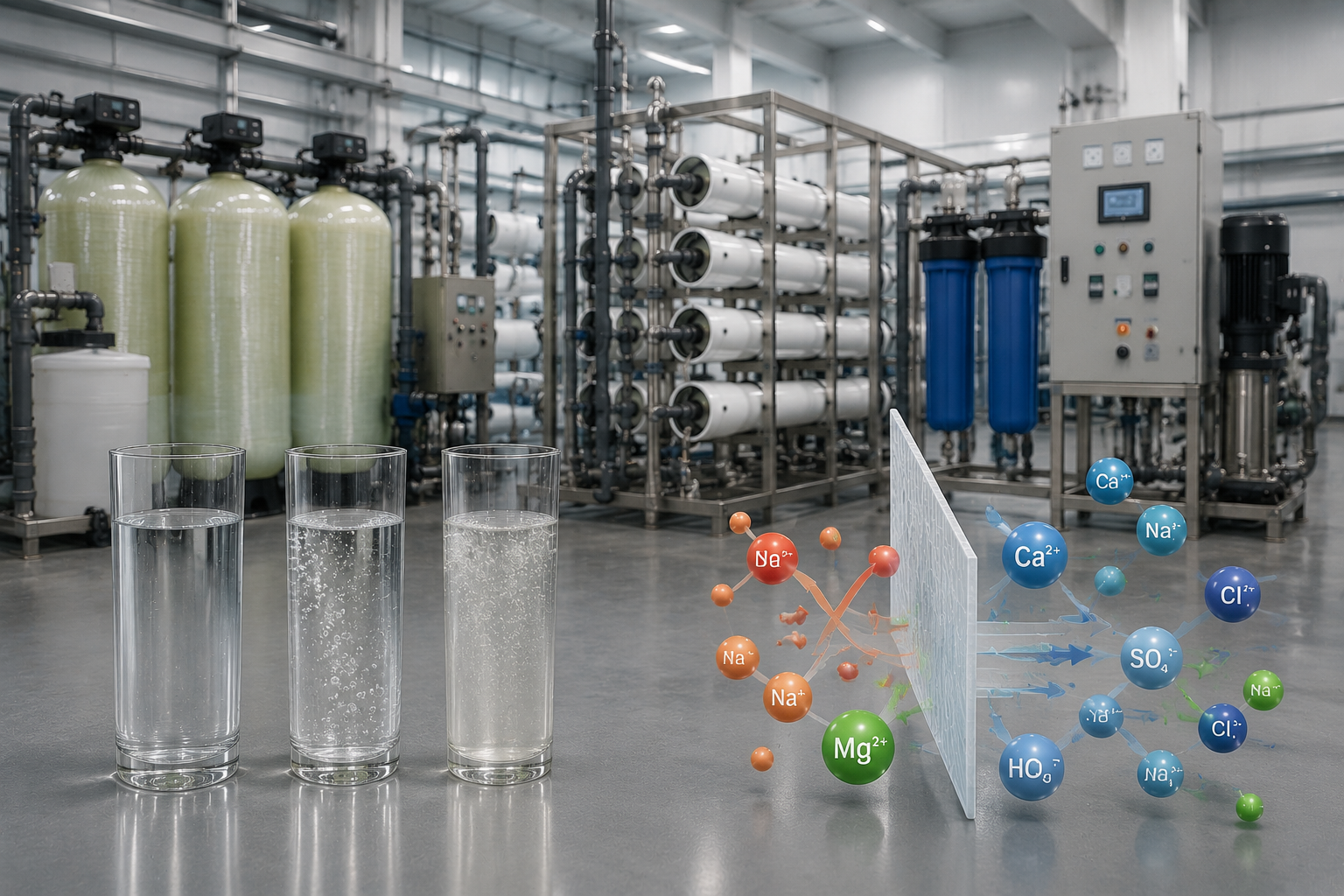
Blue Membrane’s Standard NF Series uses a polyamide thin-film composite (PA TFC) active layer with an effective pore radius of approximately 0.3–1.0 nm. This layer interacts with dissolved ions through both size exclusion and electrostatic repulsion.
The result is water that is softened but not demineralized, a distinction that matters for drinking water blending, boiler feed ion balance, and food processing applications where RO-produced near-zero-TDS water requires costly remineralization.
Energy & Operating Efficiency
This same separation mechanism explains one of the advantages of NF compared to reverse osmosis: because NF selectively removes multivalent ions rather than all dissolved solids, less pressure is required for separation. Less pressure equates to less energy.
NANOFILTRATION (NF) SERVICE
OPERATING PRESSURE
0.52 – 1.03 MPa (75-150 psi)
SPECIFIC ENERGY CONSUMPTION
0.2 – 0.5 kWh/m³
REVERSE OSMOSIS (RO) SYSTEM
OPERATING PRESSURE
1.03 – 4.14 MPa (150-600 psi)
SPECIFIC ENERGY CONSUMPTION
0.4 – 1.0 kWh/m³
(Sources from literature on membrane water treatment.)
Proven Field Performance
Experience with NF membrane softening in the field dates back to the late 1970s when municipal water treatment in Florida began implementing what the industry later referred to as the earliest intentional deployment of what the industry now calls “membrane softening.”
Many years of field data confirm that with proper pretreatment, feed water delivers a stable rejection profile and reliable element life of >3-5 years in clean industrial groundwater service. Unlike reverse osmosis that strips all of the dissolved minerals (requiring subsequent remineralization in most industrial processes), NF is a softening membrane, not a demineralization membrane, yielding a unique boiler feed chemistry that remains in balance for most industrial and boiler feed applications.
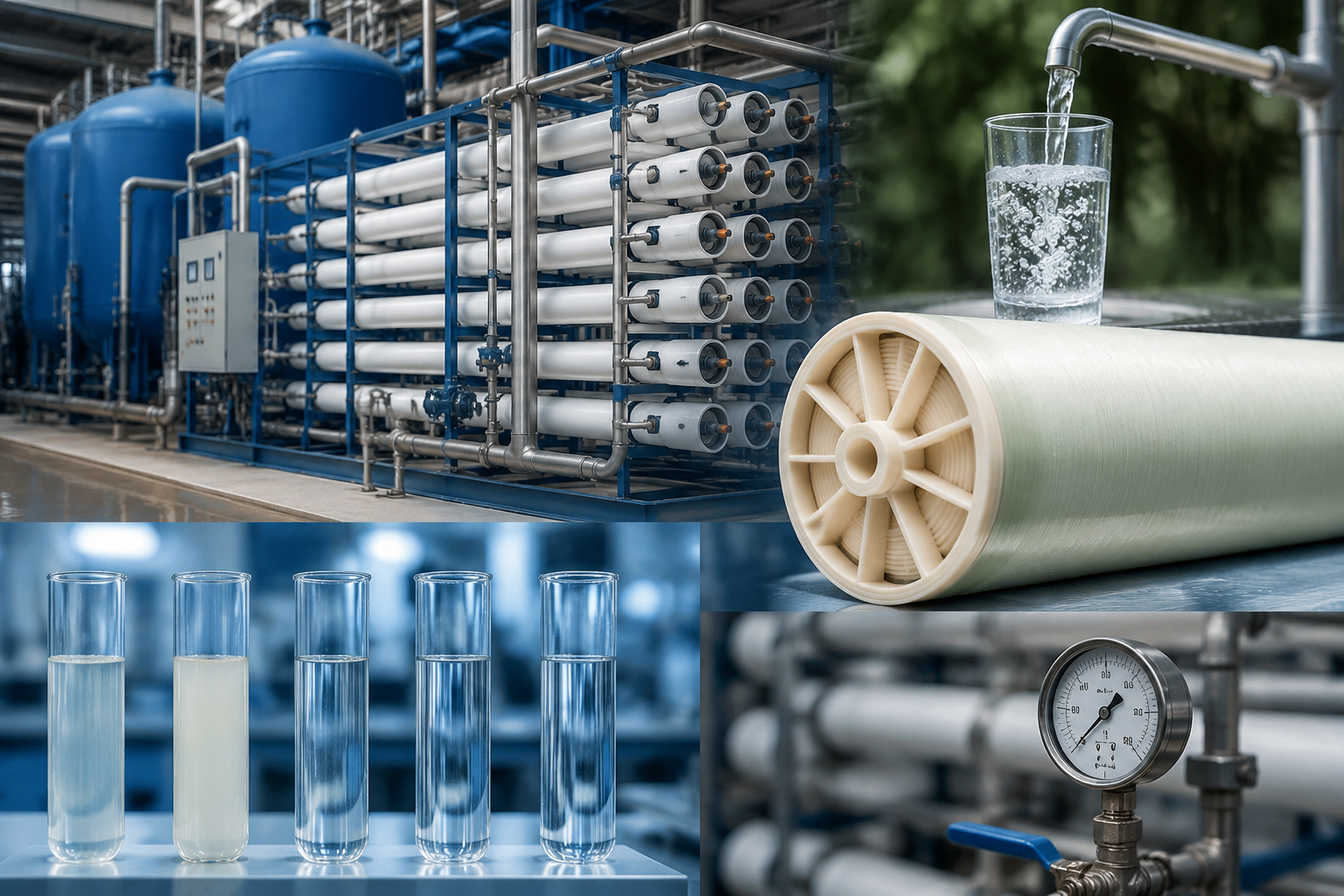
Water Softening NF Membrane Portfolio N1 | N2 | N3 Series
Blue Membrane’s three distinct NF series optimized to meet varying performance priorities for industrial water softening systems, all featuring standard 34-mil feed spacers and patented PA TFC chemistry.
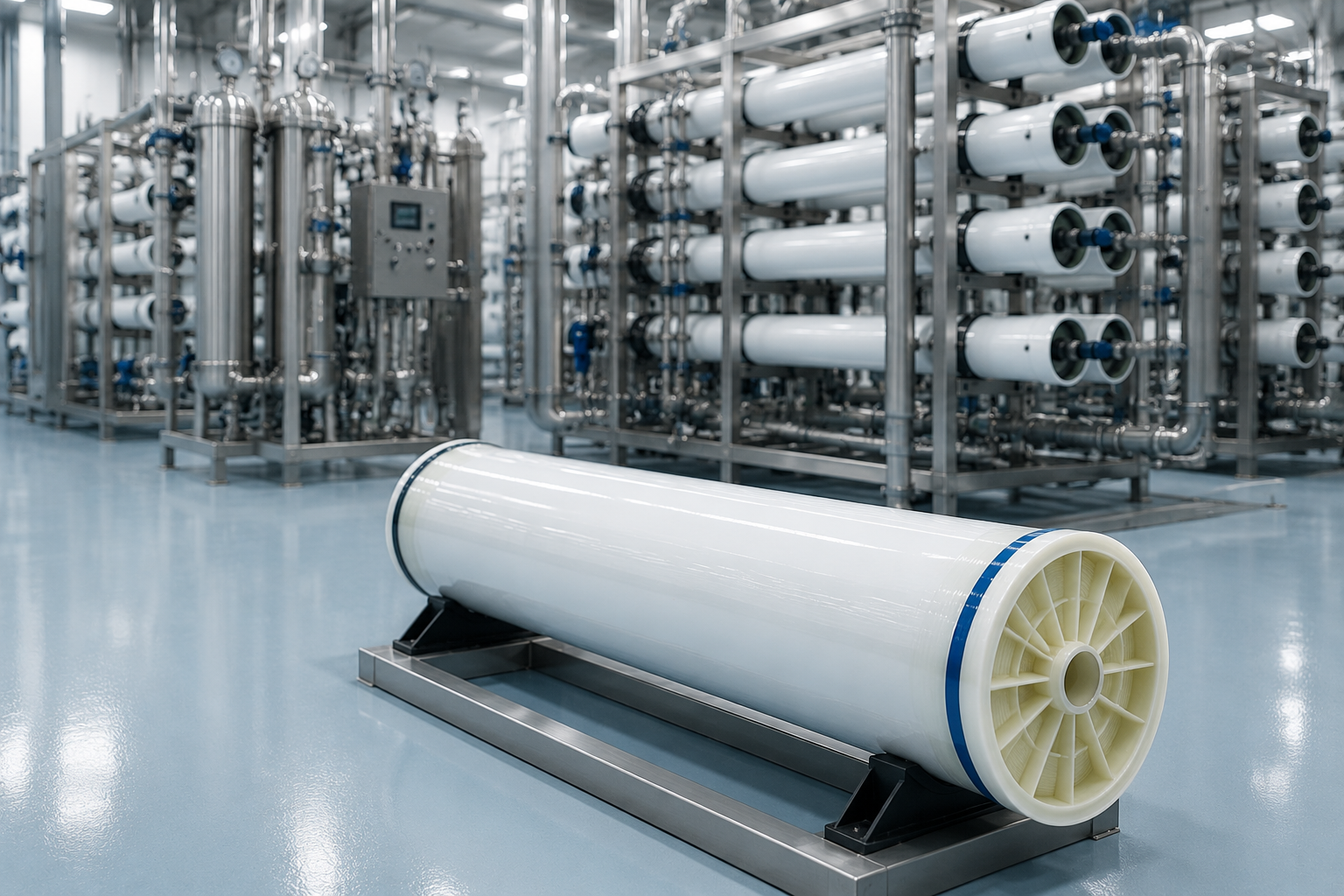
High-Rejection Priority
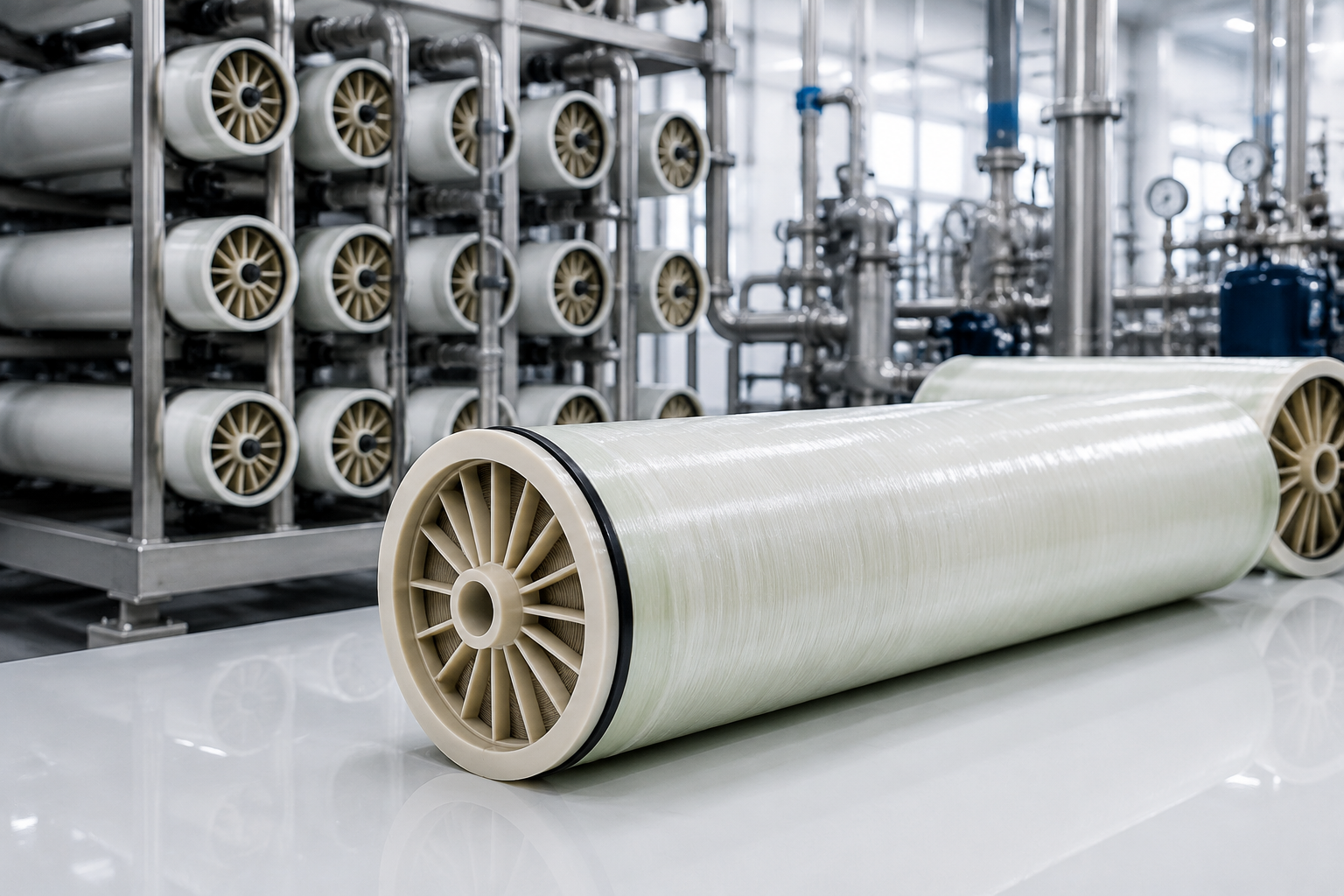
N1 Series
98.0%
Stable MgSO₄ rejection
The highest rejection option: 98.0% stable MgSO4 rejection (97.5% minimum guaranteed) when applications demand ultimate hardness removal for pharmaceutical water purification, high-pressure boiler feed, or for blend water meeting low hardness specs below 5 mg/L as CaCO3.
The price for maximum rejection? Permeate flow. At standard conditions, the N1-8040 provides approximately 9,000 GPD (34.0 m³/d). Increasing system recovery to 80-85% generally narrows the flux difference compared to N2/N3 at 75% recovery.
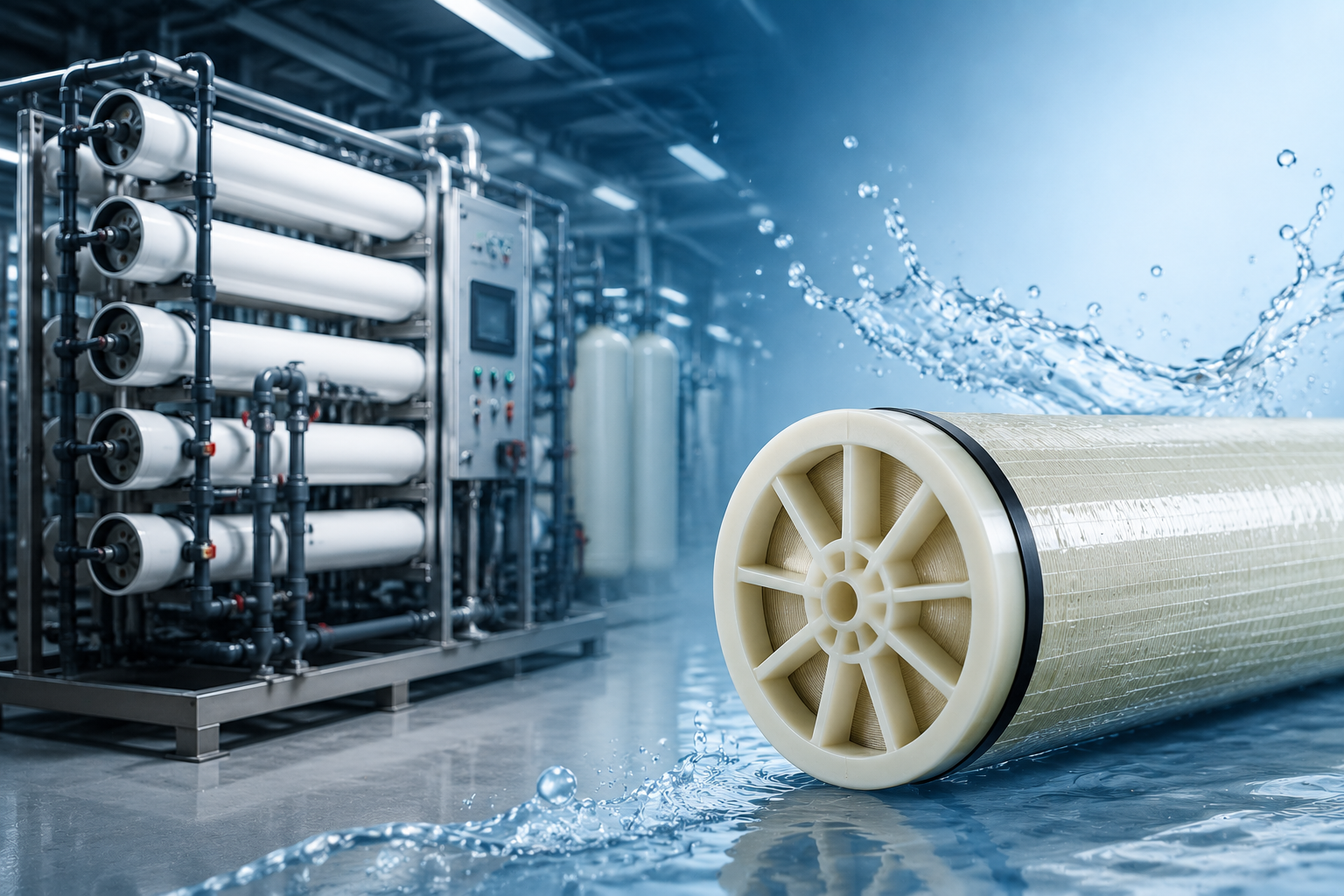
Balanced Performance
N2 Series
10,500 GPD
Optimal throughput (8040)
Cost-effective softening option: 97.0% hardness rejection (96.5% minimum guaranteed) for general purpose softening where a 5-6 mg/L CaCO3 final water hardness specification is acceptable.
With a throughput of approx. 10,500 GPD (39.7 m³/d) at standard conditions, the N2 represents the most common choice for municipal and industrial groundwater softening in the 200-400 mg/L hardness range, serving as the go-to element for OEMs.
High Throughput Priority
N3 Series
12,000 GPD
Maximum flux output
Max flux option: Similar to the N2 in its 97.0% hardness rejection (96.5% min guaranteed) but delivers the highest permeate flux at approx. 12,000 GPD (45.4 m³/d) for an 8040 element — about 33% more flux than N1.
The choice for system designers focused on maximizing skid capacity and minimizing vessel counts in high-volume systems with consistent raw water quality. For high pH feedwaters, see our alkaline-resistant NF membranes.
Contact us today to discuss your specific hardness removal targets and desired flow rates and our engineering team will assist you in selecting the ideal water softening solution.
Contact EngineeringFull Technical Specifications, All 9 Models
9
standard models
8040 / 4040 / 2540
drop-in formats
34 mil
feed spacer
600 psi
maximum pressure
All specifications are measured under standard test conditions using a proven membrane performance testing protocol: 2,000 ppm MgSO4 (MgSO₄) feed solution, 100 psi (0.69 MPa) applied pressure, 25°C, pH 7-8, 15% system recovery per element. We use the MgSO₄ rejection value because magnesium sulfate is the industry standard surrogate for divalent hardness ion rejection performance. permeate flow tolerance is 15%. Rejection values are the average (stable) performance and the minimum guaranteed performance – both are determined under laboratory test conditions certified on each element’s individual performance test report. For U.S. EPA drinking water system specifications and membrane performance standards , see EPA Ground Water and Drinking Water.
Operating limits apply to all N-Series models:
NF vs. RO vs. Ion Exchange, The 7-Dimension Water Softening Decision Matrix
The matrix below illustrates how competing technologies compare in the context of published industry data and real-world field application settings. This information pertains specifically to industrial-scale water softening; light-commercial or residential point-of-use systems operate on different economic principles. For an extensive academic comparison of membrane technologies used for water softening applications, consult Guo et al. (2021) “Nanofiltration for drinking water treatment: a review” (PMC8617557).
| Dimension | Ion Exchange (IX) | Reverse Osmosis (RO) | NF Membrane (Blue Membrane N-Series) |
|---|---|---|---|
| Hardness removal efficiency | ≥99% (complete softening) | ≥99% (complete desalination) | 97–98% N1 / 97% N2–N3 (selective divalent rejection) |
| Permeate mineral balance | High Na⁺ addition (exchange mechanism replaces Ca²⁺/Mg²⁺ with Na⁺) | Near-zero TDS (full mineral strip) | Retains monovalent minerals (40–60% Na⁺/K⁺ passage) |
| Operating pressure | Low (30–60 psi feed pump to bed) | High (150–600 psi) | Medium (75–150 psi typical softening range) |
| Chemical consumption | High: typically 0.3–0.5 kg NaCl/m³ treated per regeneration cycle | Low: antiscalant dosing only | Minimal: antiscalant dosing only — no regeneration salt required |
| Concentrate / brine volume | 10–30% brine stream (high NaCl content) | 20–50% reject stream (all ions concentrated) | 10–20% concentrate (divalent-concentrated, no NaCl added) |
| Sodium added to permeate | Yes — significant (ion exchange mechanism) | No — near-complete removal | No — NF does not add sodium to permeate |
| Specific energy consumption | 0.1–0.3 kWh/m³ | 0.4–1.0 kWh/m³ | 0.2–0.5 kWh/m³ |
Application segmentation is clear in this matrix, where the cost advantage of equipment doesn’t necessarily translate into overall lower operating costs; the economic balance is also shaped by growing regulatory pressure faced by Ion Exchange (IX) operations in 12+ U.S. states due to brine disposal regulations. Select ion exchange when very high hardness removal and minimal capital expense are paramount, and brine discharge regulations permit. Choose Reverse Osmosis (RO) when the process target is near-zero Total Dissolved Solids (TDS). Select Nanofiltration (NF) for applications requiring approximately 97-98% hardness removal, a balanced permeate, and elimination of both the expense of purchasing salts and managing brine discharge. Unlike IX hardness removal which requires the continuous addition of sodium and ongoing chemical management, NF membrane softening effectively addresses the hardness challenge without introducing a secondary chemistry complication in the permeate. Blue Membrane’s N-Series is engineered to bridge the gap where IX chemical costs begin to surpass the long-term capital cost amortization of NF, for industrial groundwater applications where feed hardness exceeds 200 mg/L CaCO₃ and where operating expenses alone make NF a more cost-effective choice within 2-3 years.
Please reach out to our engineering specialists to receive a personalized technology assessment tailored to your specific water hardness and system flow rate.
REQUEST ASSESSMENTSystem Design Parameters for Groundwater Softening Applications
The following design parameters apply to standard industrial groundwater softening systems using Blue Membrane N-Series elements. Feed water quality is the single most important determinant of system reliability and cleaning interval. Systems operating within these parameters consistently achieve 3–6 month cleaning intervals on typical groundwater with 200–500 mg/L total hardness. U.S. EPA drinking water standards and Safe Drinking Water Act regulations applicable to the treated water output are available at EPA Drinking Water Regulations.
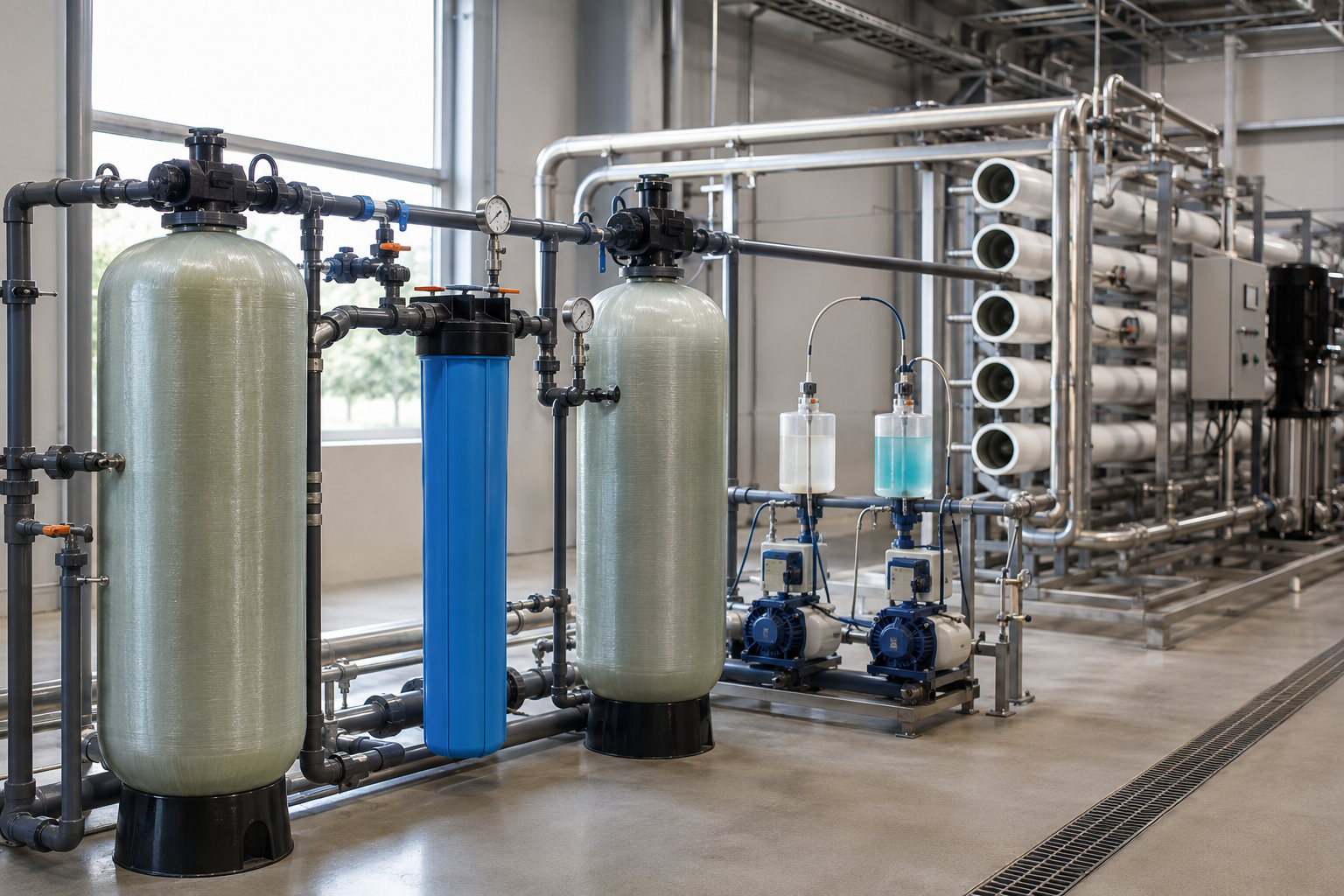
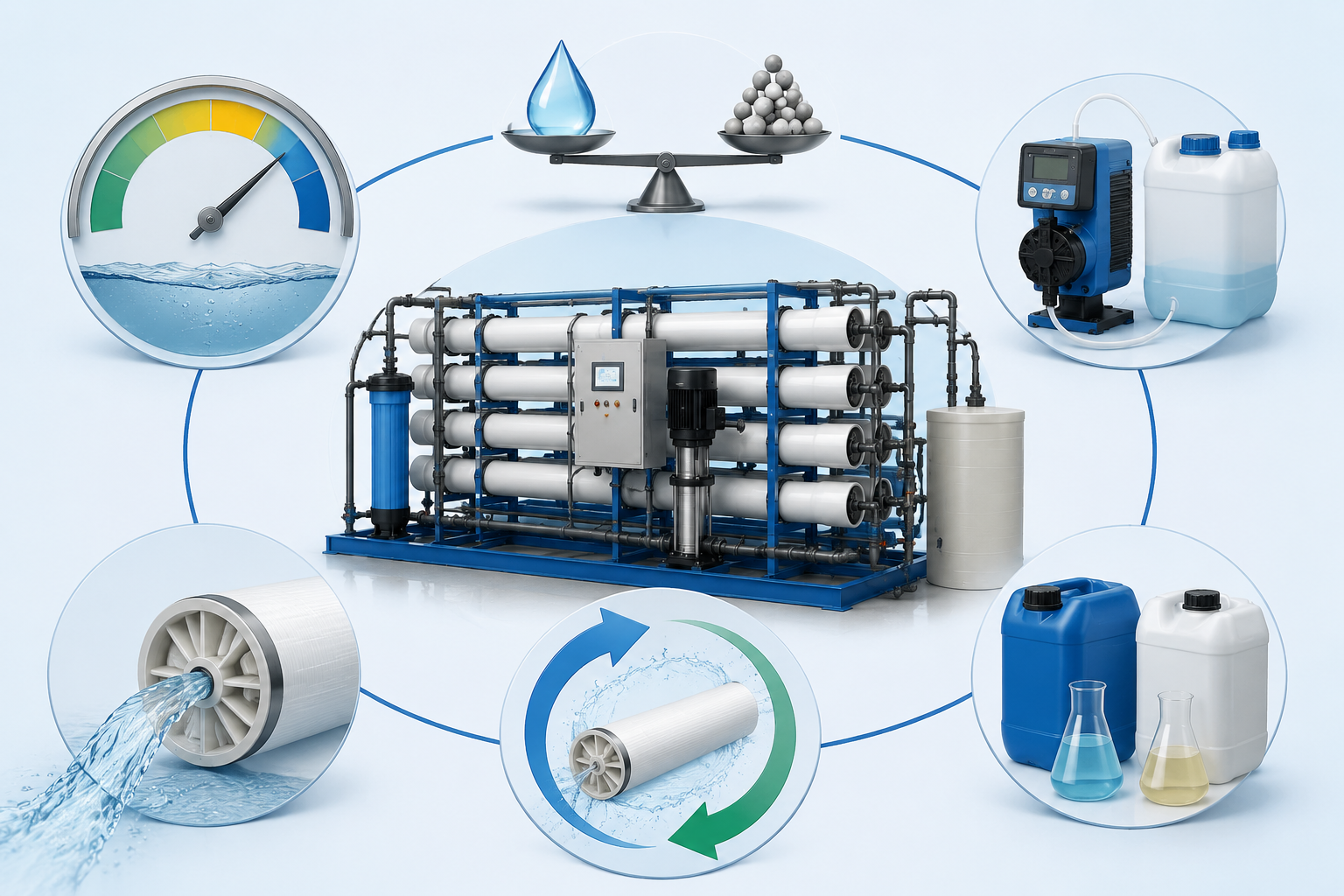
Please contact our engineering team for a groundwater softening system design package including pretreatment specification, element selection, and antiscalant recommendation for your specific feed water chemistry and flow targets.
Contact Engineering TeamManufacturing Quality and Certification Standards
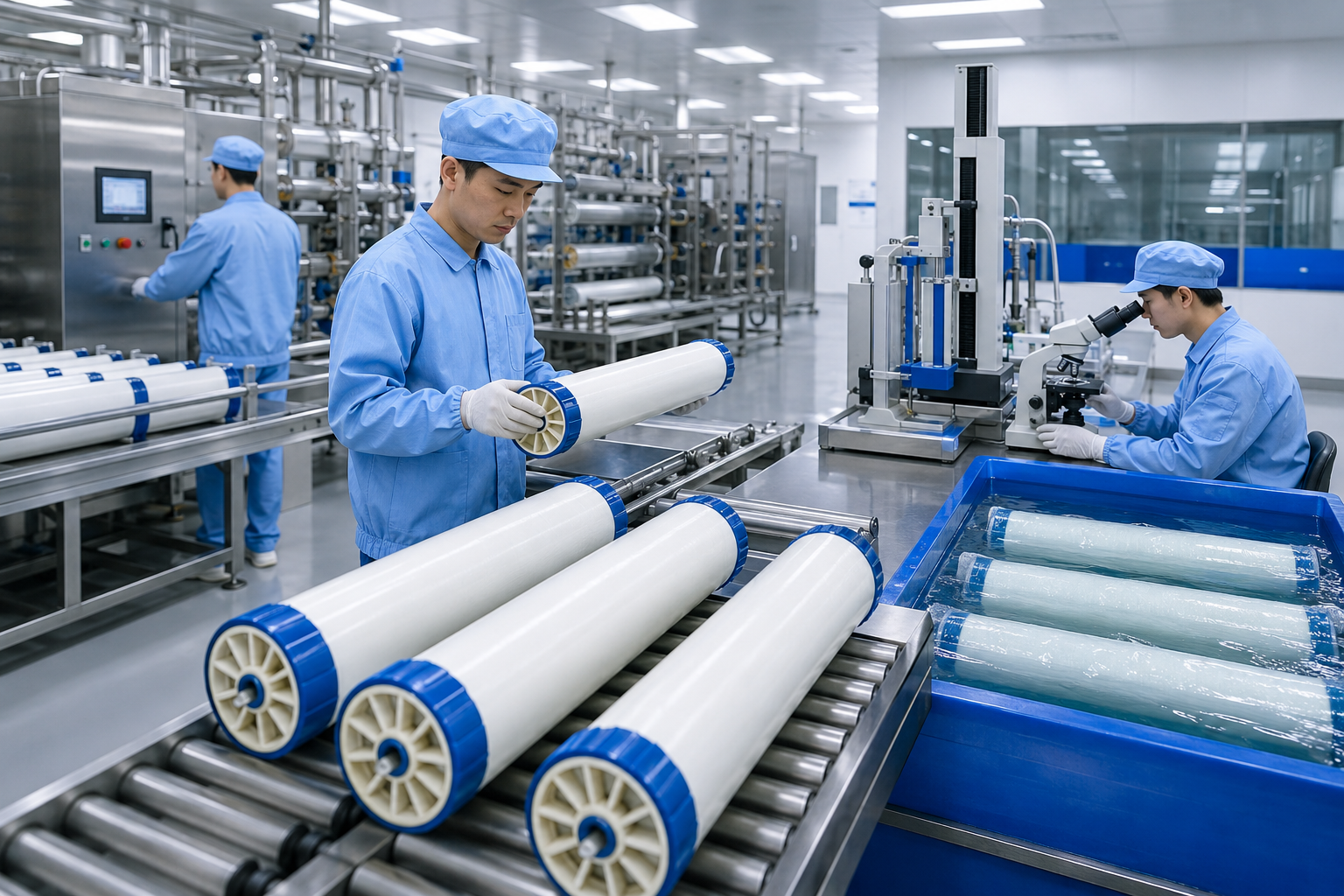
Blue Membrane manufactures standard NF Series elements at our manufacturing facility located at No. 161 Xinsheng Road, Chongchuan District, Nantong City, Jiangsu Province, China. Our Nantong facility maintains ISO 9001:2015 quality management system certification, which governs our end-to-end production chain, from polyamide active layer casting, polyester support membrane manufacturing, spiral winding, end-cap bonding, element testing to wet preservation packaging.
The complete production run for every lot of products is tested to 100% performance specification before being despatched. Detailed test report for each element proving compliance with specification MgSO₄ rejection rate & permeate flow are available on request. This document constitutes the basis of our element performance guarantee. Each report is tied to an element's serial number and is available before despatch to OEM's requesting incoming inspection paperwork.
PA TFC Chemistry
Blue Membrane N-Series element PA TFC chemistry is identical to the foundational PA TFC chemistry used in big name brands’ products like DuPont NF90, Toray NF, and Hydranautics ESNA products. The PA TFC process - an interfacial polymerization of m-phenylenediamine (MPD) and trimesoyl chloride (TMC) on a polysulfone support - is the conventional industry technology described thoroughly in numerous publications in peer-reviewed literature on membranes, and protected under many international patents for thin film composite membrane construction, including US9662615B2 (DuPont), and WO2021130780A1.
If your purchasing team needs to have an article in hand or require ISO 9001 certification, or third-party test report before they could place purchase order, they could contact Blue Membrane by e-mail or WhatsApp +86 15013566276, and send it to sales@bluemembrane.com. Any documentation request receives a reply from our engineering department within one business day.
01
Active layer casting
02
Spiral winding
03
Element testing
04
Wet preservation
Pricing, Procurement, and OEM Replacement Compatibility
All Blue Membrane N-Series elements are ISO 9001:2015 certified and ex-works Nantong, Jiangsu, PRC. Where conventional NF elements supplied by major brands through distributors have 8-12 week lead time from P/O, Blue Membrane provides direct factory supply with a 4-6 week production lead time for quantity orders, from confirmed P/O. Elements available in sample quantities of 1-3 units for laboratory performance confirmation, can ship in 7-10 business days, no minimum P/O required for samples. The standard production P/O minimum is 10 elements/model/shipment with prices quoted in USD or CNY. Each lot of production membranes is accompanied by an individual test report.
OEM Replacement Compatibility
N-Series Elements N-Series elements are manufactured to the standard dimensions for 8-inch (8040), 4-inch (4040) and 2.5-inch (2540) element formats and will drop into pressure housings designed for those standards. N-Series elements fit directly in Dow FilmTec NF90, Dow NF270, Toray TMN10, and Hydranautics ESNA1-LF series housings. Although the elements fit the housing, replacement qualification testing (verifying rejection and flux performance in customer system and water chemistry) is advised for any element change regardless if same- or cross- manufacturer replacement. Blue Membrane offers a standard application questionnaires and design review support to assist in quick qualification.
N-Series Standard Packaging and Export Documentation
Shipping condition
Wet-packed, 1% sodium bisulfite solution, sealed PE bag, fiber glass shell
Storage conditions
5°C–45°C, protected from direct sunlight and freezing
Shelf life (sealed)
12 months from wet-pack date
MOQ (production)
10 elements per model per shipment
Lead time (sample)
7–10 business days ex-works Nantong
Lead time (production)
4–6 weeks from confirmed PO
Export documentation
CO, Packing List, Invoice, Per-element Test Report
Payment terms
30% deposit / 70% before ship (T/T); 100% L/C first-time
For a price quotation request, OEM fit and feel certification, and design for manufacturability analysis please contact the engineering team at our contact page or WhatsApp to us on +86 15013566276. We provide a one-business day turn-around on all technical questions. For complete product information about the nanofiltration membrane product family with specialty NF and low rejection chemistry please visit our nanofiltration membrane product line.
Production & Supply Chain
Production Metrics & Blueprint
7-10 days
sample shipment
4-6 weeks
production lead time
10 elements
production MOQ
Per-element
test report

Engineering Tools & Calculators
Access our suite of online calculators and selectors to streamline your nanofiltration system design, hardness unit conversions, and membrane element sizing process.
Water Hardness Unit Converter
Convert between mg/L, gpg, mmol/L, °dH, and °fH. Instantly align water chemistry data for precise NF membrane sizing and pretreatment selection.
Softening Technology Selector
Answer four core questions to receive an engineered recommendation between NF, RO, or Ion Exchange based on your specific feed parameters and restrictions.
Recovery & Concentrate Calculator
Estimate NF permeate quality, concentrate hardness, and predict scaling risks to determine baseline antiscalant requirements for system design.
Frequently Asked Questions
The N1 Series achieves a 98.0% stable MgSO₄ rejection (97.5% guaranteed), while the N2 and N3 Series deliver a 97.0% rejection (96.5% guaranteed), providing tailored options for various hardness removal requirements.
Unlike Ion Exchange (IX) which replaces calcium and magnesium with sodium, NF physically filters out multivalent hardness ions without adding sodium to the permeate. This eliminates the need for regeneration salts and avoids high-brine discharge challenges.
Blue Membrane N-Series elements require feed water with an SDI of less than 5 (preferably below 3) and free chlorine levels of non-detect. Turbidity of less than 1 NTU following the cartridge filter is also recommended. The standard pretreatment regimen for industrial groundwater softening is to install a multi-media filter, followed by a 5 µm cartridge filter and a chlorine-reduction filter (either activated carbon or a sodium metabisulfite based media). The addition of antiscalant is recommended for applications where the Langelier Saturation Index (LSI) of the concentrate exceed 0. Consistent operating performance with an 3-6 month cleaning has been demonstrated in systems designed with these conditions.
Yes, N-Series elements are manufactured to standard 8-inch (8040), 4-inch (4040), and 2.5-inch (2540) dimensions and act as direct drop-in replacements for Dow FilmTec NF90, NF270, Toray TMN10, and Hydranautics ESNA1-LF series housings.
Blue Membrane N-Series elements typically operate within a medium pressure range of 75–150 psi for most industrial groundwater softening applications, striking a balance between energy efficiency and optimum flux.
When operated within recommended pretreatment parameters (SDI < 3, Turbidity < 1 NTU, zero free chlorine), N-Series elements consistently achieve a 3 to 6-month Clean-In-Place (CIP) interval on typical 200–500 mg/L hardness groundwater.
At our Nantong, Jiangsu facility, Blue Membrane manufactures N-Series elements under the ISO 9001:2015 quality management system certification, which covers the entire production process. All elements are factory-tested for performance and include documented MgSO₄ rejection and permeate flow data. Test reports are available for each element serial number. For certain projects, product-specific certifications such as NSF/ANSI 58 for drinking water contact may be available. Please contact our sales team to begin a project certification review.
Sample elements-1 to 3 per model-are available from our Nantong, China facility with a lead time of 7-10 business days; no minimum order quantity applies to sample orders. Production orders require a 10-element minimum per model with a 4-6 week lead time. We accept payment by bank wire transfer with 30% deposit / 70% before shipment, or by 100% letter of credit for first-time orders. For a formal quote, contact sales@bluemembrane.com or WhatsApp +86 15013566276. Our engineering team will respond to your inquiry within one business day.
Source Trail & References
- WHO. Guidelines for Drinking-water Quality, 4th edition. World Health Organization, 2022. Link
- U.S. Environmental Protection Agency. Ground Water and Drinking Water. Updated March 2026. Link
- Guo W et al. "nanofiltration for drinking water treatment: a review." Frontiers in Chemical Science and Engineering, 2021. PMC8617557. Link
- International Organization for Standardization. ISO 9001:2015 Quality Management Systems - Requirements. Link
- DuPont (Filmtec). US9662615B2 "Composite polyamide membrane." Link
- Paulson D. "Nanofiltration: The Up-And-Coming Membrane Process." Water Online, 2015. Link
- Blue Membrane N-Series water softening nanofiltration membrane elements
Trending now